


HERS Testing Cost in California: 2026 Pricing Guide

Last Updated: October 23, 2026
Quick Summary
HERS testing cost in California ranges from $150 to $450 for typical residential projects, depending on system complexity, property size, and which tests your permit requires. Duct leakage testing alone costs $150-$400, while comprehensive HVAC changeout packages run $200-$450.
Duct leakage testing typically costs $150-$400 for a single system
HVAC changeout test packages range from $200-$450 and include inspection, leakage testing, and airflow measurement
Travel fees of $0-$150 may apply in rural or distant areas outside a provider's standard service area
Retests after duct repairs usually cost the same as the initial test
Request itemized quotes from multiple providers to compare which tests and services are included
Table of Contents
What HERS Testing Costs: Current Price Ranges
Sample project estimates
California HERS Testing Requirements and When You Need Them
HERS Testing for HVAC Changeout: Scope and Fees
HERS Duct Leakage Testing Cost and What It Covers
Factors That Drive HERS Testing Costs
Project type and scope
Property type: single-family, ADU, and multifamily
System complexity and property size
Geographic location and service area
Scheduling and timing
How to Prepare for Your HERS Testing Appointment
What Happens After Testing: Results, Retests, and Compliance
Frequently Asked Questions
What HERS Testing Costs: Current Price Ranges
HERS testing cost depends on which tests your permit requires and how accessible your ductwork is. The table below shows typical open-market ranges for common residential tests. Treat these as budgeting estimates, not fixed prices, always confirm scope in writing.
Test or service | Typical range (USD) | What it covers |
Duct leakage test (single system) | $150-$400 | Register sealing, pressurization, CFM measurement, compliance report |
HVAC changeout test package | $200-$450 | Duct inspection, leakage test, airflow measurement, documentation |
Whole-house ventilation verification | $150-$350 | Verification that mechanical ventilation meets Title 24 airflow requirements |
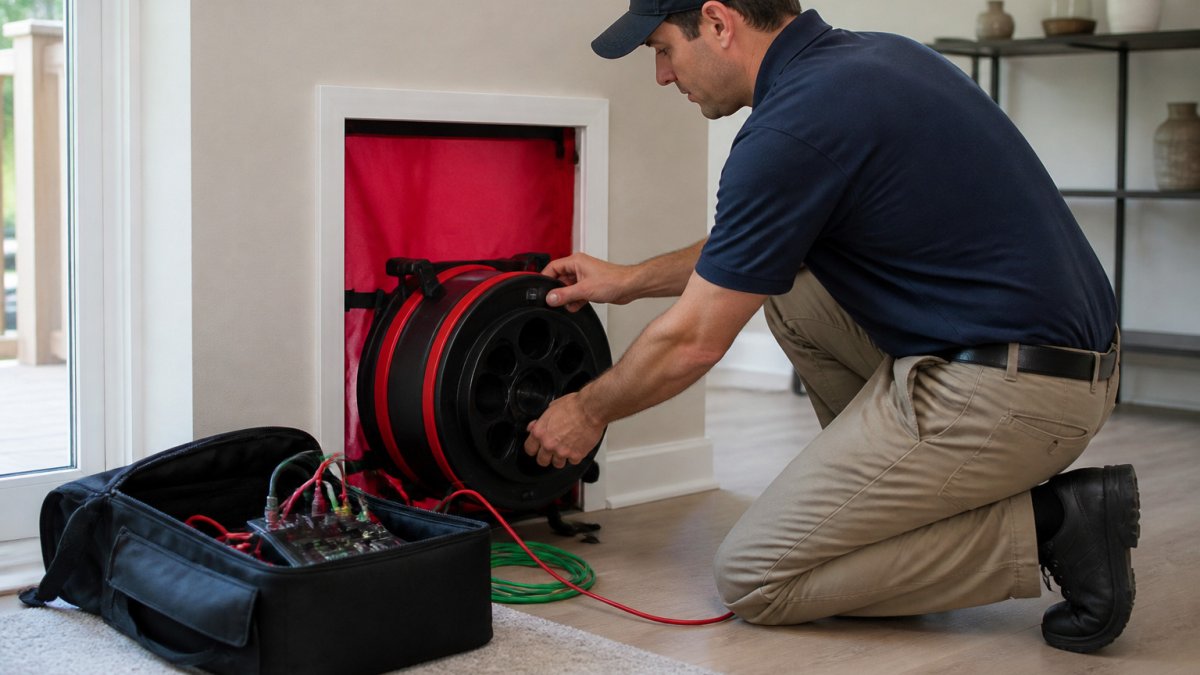
Building envelope / infiltration test | $200-$500 | Blower-door test and envelope leakage reporting |
Retest after repairs | $100-$350 | Repeat of the failed test after duct sealing or corrections |
Travel fee (rural or distant sites) | $0-$150 | Mileage or trip charge outside a provider's standard service area |
After-hours or rush scheduling | $50-$200 surcharge | Evening, weekend, or same-week appointments |
Certificate or compliance documentation | $0-$75 | Signed HERS compliance certificate for the building department |
These ranges are open-market estimates for typical single-family residential projects. Your final price depends on system complexity, property size, the specific tests your jurisdiction requires, and how accessible the ductwork is.
Sample project estimates
To make the ranges concrete, here are three common scenarios and what the testing line item typically looks like:
Single-family HVAC changeout, one zone, attic ducts: $200-$350 for the changeout package, plus $0-$50 travel if you are outside the provider's core area. This is the most common residential scenario.
New construction, 2,000-2,500 sq ft, two zones: $350-$600 combined for duct leakage, ventilation verification, and envelope testing, depending on which tests the permit requires.
ADU or small addition with new ductwork: $250-$450 for duct leakage plus ventilation verification, often bundled into one visit.
Most builders and homeowners find that budgeting for HERS testing early prevents surprises later. The cost is a small fraction of your total project investment, and it is non-negotiable for permit compliance.
Pro Tip Request quotes from multiple providers before deciding. Ask each one to itemize exactly which tests are included, whether travel and documentation are extra, and what a retest would cost. This helps you compare apples to apples and understand where your money goes.
California HERS Testing Requirements and When You Need Them
California HERS testing is required for most new residential construction and major HVAC system replacements. Title 24 energy code compliance mandates that new homes and substantially renovated properties undergo certified testing before final building department sign-off.
As of January 1, 2026, the California Energy Commission no longer supports an Energy Code compliance demonstration program through its HERS program. This means HERS testing is now the primary compliance pathway for duct leakage verification.
You'll need HERS testing if you're:
Building a new home
Replacing your entire HVAC system
Doing a major renovation that includes new ductwork
Installing a heat pump or other new heating/cooling equipment
Applying for a building permit in California
The testing must be completed before the building inspector conducts their final walkthrough. Scheduling it too late can delay your project close-out by weeks.
Watch Out Skipping HERS testing or using an uncertified tester can result in permit denial and forced system remediation. Your building department won't sign off without it.
HERS Testing for HVAC Changeout: Scope and Fees
When you replace an HVAC system, HERS testing for HVAC changeout becomes a key compliance requirement. This test measures duct leakage to ensure your new system meets California's energy efficiency standards.
An HVAC changeout test package typically includes:
Ductwork inspection for visible damage or disconnects
Duct leakage testing under pressurized conditions
System airflow measurement
Compliance documentation for the building department
The scope depends on your system size and ductwork layout. A straightforward single-zone system in a smaller home costs less than a multi-zone system in a larger property. Central Duct Testing uses state-of-the-art equipment to deliver precise results and complete documentation.
Most HVAC changeout tests take 2 to 4 hours from start to finish. Your contractor should schedule the test after the new system is installed but before drywall goes up. This timing ensures easy access to ductwork if remediation is needed.

HERS Duct Leakage Testing Cost and What It Covers
HERS duct leakage testing cost focuses specifically on measuring how much air escapes from your ductwork. This single test can run $150 to $400 depending on system complexity and accessibility.
What the test includes:
Sealing all registers and returns
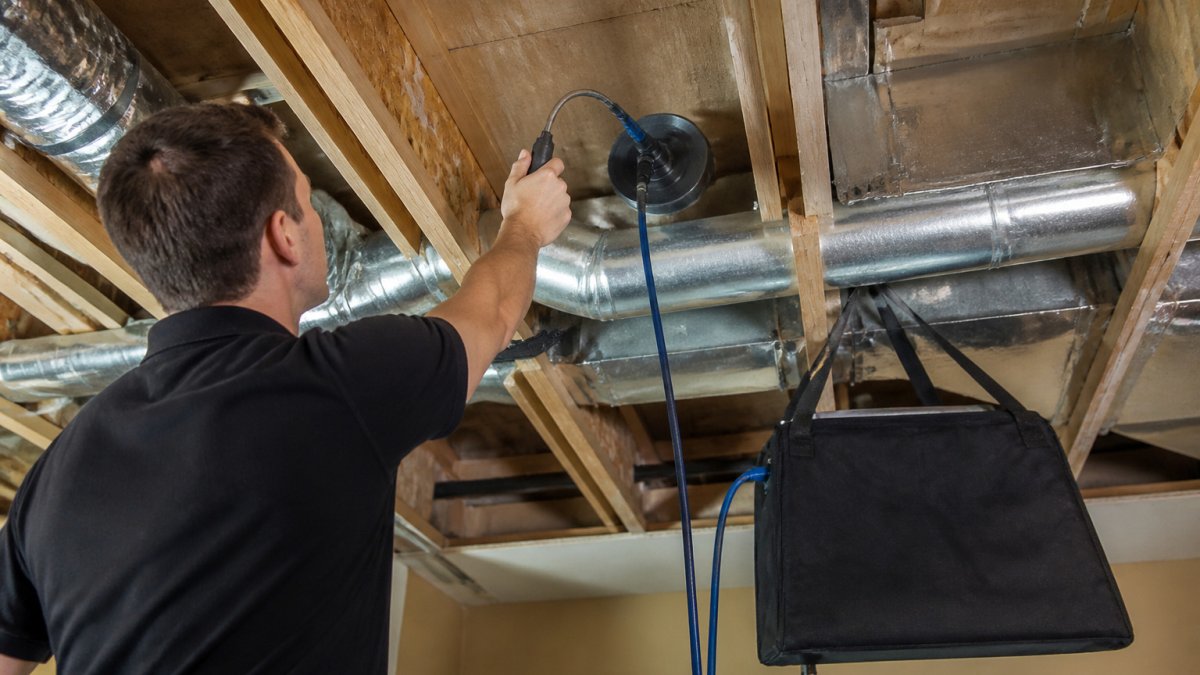
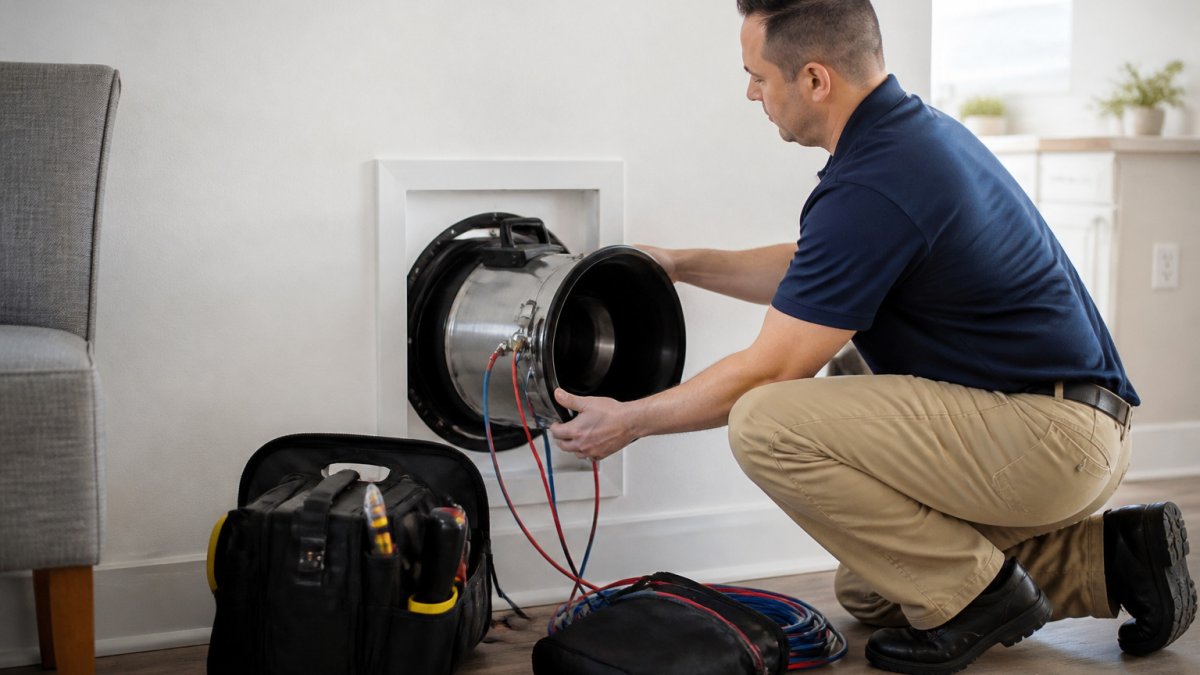
Pressurizing the duct system with calibrated equipment
Measuring total leakage in CFM (cubic feet per minute)
Comparing results to California Title 24 limits
Generating a compliance report
Duct leakage directly affects your HVAC system's efficiency. Leaky ducts force your system to work harder and waste conditioned air before it reaches your rooms. California's energy code sets strict limits on allowable leakage to keep energy costs down and comfort consistent.
If your ducts fail the leakage test, you'll need remediation. Sealing leaks typically costs $200 to $800 depending on the severity and accessibility. A retest after repairs usually costs the same as the initial test.
Factors That Drive HERS Testing Costs
Several variables determine your final bill for HERS testing. Understanding them helps you budget accurately and compare quotes fairly.
Project type and scope
New construction requires more comprehensive testing than a simple system replacement. A brand-new home with new ductwork needs full system verification, while a retrofit that reuses existing ducts may need only a leakage test. Commercial tenant improvements cost more than residential work because of larger systems, multiple zones, and longer duct runs. Heat pump installations, variable refrigerant flow systems, and multi-zone setups also require more detailed testing than standard split systems.
Property type: single-family, ADU, and multifamily
Property type changes both the scope and the number of tests:
Single-family home: Usually one duct system and one set of tests. This is the lowest-cost scenario.
ADU (accessory dwelling unit): Often a smaller system but still requires its own duct leakage and ventilation verification, so expect a separate test visit or a bundled price.
Multifamily project: Each unit may need its own test, and common-area systems add scope. Per-unit pricing typically drops with volume, but the total is higher.
Mixed-use or commercial: More zones, longer runs, and additional documentation drive the highest per-project costs.
System complexity and property size
Larger homes with more ductwork cost more to test. A 2,000-square-foot house with straightforward ductwork is cheaper than a 5,000-square-foot home with multiple zones and complex routing. Expect to pay more if your system has multiple zones or thermostats, long duct runs through unconditioned spaces, hard-to-reach ductwork, or non-standard configurations. Properties with attic ductwork are faster and cheaper to test than those with buried or in-wall ducts, because accessibility directly affects labor time.
Geographic location and service area
Testing costs vary by region, driven mainly by provider density and travel distance:
Dense urban and suburban areas with many approved raters tend to have competitive pricing and shorter scheduling windows.
Rural and outlying areas may carry travel fees of $50-$150 and longer lead times because fewer raters cover the territory.
Jurisdictions with local amendments beyond the state minimums may require additional tests, which adds cost.
Some counties impose requirements beyond state minimums, so check with your local building department to confirm exactly which tests your jurisdiction requires before you request quotes.
Scheduling and timing
Rush appointments, after-hours visits, and rescheduling can add $50-$200. Booking testing at the right construction phase, after installation but before drywall closure, avoids repeat visits and keeps costs down.
Key Takeaway Two quotes for the same project can differ because one includes travel, documentation, or a retest and the other does not. Compare line items, not just totals.
How to Prepare for Your HERS Testing Appointment
Getting ready for your test ensures smooth execution and avoids delays. A few simple steps make the process faster and more efficient.
Schedule your test after your HVAC system is fully installed but before final drywall closure. This timing gives your rater easy access to ductwork and allows for repairs if needed.
Before the appointment:
Ensure all ductwork is installed and accessible
Clear the area around your HVAC unit and ductwork
Have your building permit number and project details ready
Ask your contractor if any specific preparations are needed
Your rater will bring all specialized equipment. They'll need access to your attic, crawlspace, or mechanical rooms where ducts are located. Make sure gates, doors, and crawlspace access points are unlocked.
The test itself is non-invasive. Your rater won't damage anything. They'll seal registers, pressurize the system, take measurements, and document results. Most tests complete within 2 to 4 hours.
Key Takeaway Scheduling your test at the right construction phase prevents costly delays. Coordinate with your contractor and building department to confirm the exact timing for your project.
What Happens After Testing: Results, Retests, and Compliance
Your rater delivers a detailed report showing duct leakage measurements and compliance status. The report includes the total CFM at 25 pascals of pressure and a pass/fail determination based on California Title 24 standards.
If you pass, the report goes to your building department. The inspector uses it to approve your system and issue a permit sign-off. No further action needed.
If you fail, your ductwork has too much leakage. Your HVAC contractor must seal the leaks. Common problem areas include:
Unsealed duct seams
Disconnected flex ducts
Gaps at register boots
Damaged duct insulation
After repairs, schedule a retest. The cost is typically the same as the initial test. Most contractors factor retesting into their project budget as a contingency.
A retest usually happens within 1 to 2 weeks of the initial failure. Once you pass, you're cleared for final inspection and occupancy.
Central Duct Testing provides clear, actionable reports. We explain exactly what needs fixing and help ensure your system passes.
HERS testing cost in California is a required investment for permit compliance, not an optional expense. Budget between $150 and $450 depending on your system and project scope. Request detailed quotes from certified providers, schedule testing at the right construction phase, and plan for potential retests if repairs are needed.
Frequently Asked Questions
How much does HERS testing cost in California?
HERS testing cost varies by project type and scope. The final price depends on system complexity, property size, and your location within the state. Contact a certified provider for a quote based on your project.
What affects the cost of HERS testing?
Several factors influence HERS testing cost: the number of HVAC systems being tested, whether it's new construction or a renovation, the square footage and zone count of your property, system complexity, and your geographic location. Additional testing measures or retests due to failed initial inspections will also add to the total expense. Providers typically assess these variables before providing a final estimate.
Is HERS testing mandatory in California?
HERS testing is required for most new residential construction and major HVAC system replacements under California's Title 24 energy code. The California Energy Commission enforces these requirements to ensure homes meet energy efficiency standards. Effective January 1, 2026, the HERS Program no longer supports an Energy Code compliance demonstration program, so compliance verification now relies on certified HERS raters. Check with your local building department to confirm requirements for your specific project.
What happens if a home fails HERS testing?
If your system fails HERS testing, the certified rater will provide a detailed report identifying the issues, typically duct leakage or system imbalance. You'll need to correct the problems and schedule a retest. Common failure causes include improper duct sealing, unbalanced airflow, or refrigerant charge issues. The cost of retesting and repairs depends on the severity of the defects. Working with a qualified HVAC contractor to address the underlying issues before the retest ensures compliance and avoids project delays.
Contact Us Now
Add centralducttesting.com as a preferred source on Google →
Comments