


How to Find and Hire a California HERS Rater

Last Updated: October 30, 2026
Quick Summary
California HERS raters are certified third-party inspectors who measure how energy-efficient a home is. To find one, confirm their certification number and HERS provider, check that they are approved for the measures on your Title 24 compliance report, and get a written scope and quote before signing.
Ask for the rater's certification number and HERS provider, then verify both directly with the provider or registry.
Confirm in writing which measures on your compliance report the rater is approved to verify.
Ask how many projects the rater has verified in your jurisdiction and whether they have worked with your enforcement agency.
Get a written scope listing each measure, anticipated site visits, retest triggers and documentation delivered.
Confirm the scope with the enforcement agency before rough-in so nothing is discovered at final.
Table of Contents
What a HERS Rater Does and Why California Requires Them
California HERS raters are certified inspectors who measure how energy-efficient a home is. Central Duct Testing helps builders, contractors and homeowners work with these raters from plan review through final sign-off. The Home Energy Rating System (HERS) gives each home a score, and that score shows how well the building uses energy.
As of January 1, 2026, the California Energy Commission recognizes HERS Providers as ECC-Providers and HERS raters as ECC-Raters (Home Energy Rating System Providers). You will see both terms in permit paperwork and program materials. The job itself has not changed: a qualified rater checks the work in the field and documents it.
A HERS rater is an independent third-party inspector. The rater does not design the system or do the installation. Raters check measures like insulation, duct sealing and equipment performance against the approved plans.
When Title 24 Requires HERS Testing for Your Project
Title 24 is California's energy code. Many new homes and certain alterations must meet it before a permit can close.
Start by checking your plans with your building department or enforcement agency. They will tell you which measures require field verification.
Ask these questions early:
Does the project include new HVAC equipment or ductwork?
Does the Title 24 compliance report list HERS-verified measures?
Has the building official flagged any field verification requirements?
The HERS Verification Process From Plan Review to Sign-Off
The HERS verification process is a sequence of field and desk reviews tied to specific construction milestones. Missing a stage or performing it out of order is the most common cause of permit delays, because some measures can only be verified before they are covered.
Plan review and scope confirmation. The rater reviews the Title 24 compliance report (often the CF1R) and the construction documents to identify every measure that requires HERS verification. The output is a project-specific verification list: which measures apply, what test each requires, and when each must occur. Confirm this list with the enforcement agency before rough-in so nothing is discovered at final.
Pre-construction coordination. The rater, builder, and HVAC contractor agree on sequencing and access. Items like duct leakage testing usually require the duct system to be complete and sealed but not yet covered by drywall or insulation. Confirm who will be on site, what equipment is needed, and how results will be delivered.
Rough-in verification. The rater inspects measures that will be concealed, such as insulation installation quality, duct sealing, and framing-related air barrier details. This is the stage where defects are cheapest to fix. A failed rough-in typically requires correction and a return visit, which adds schedule time.
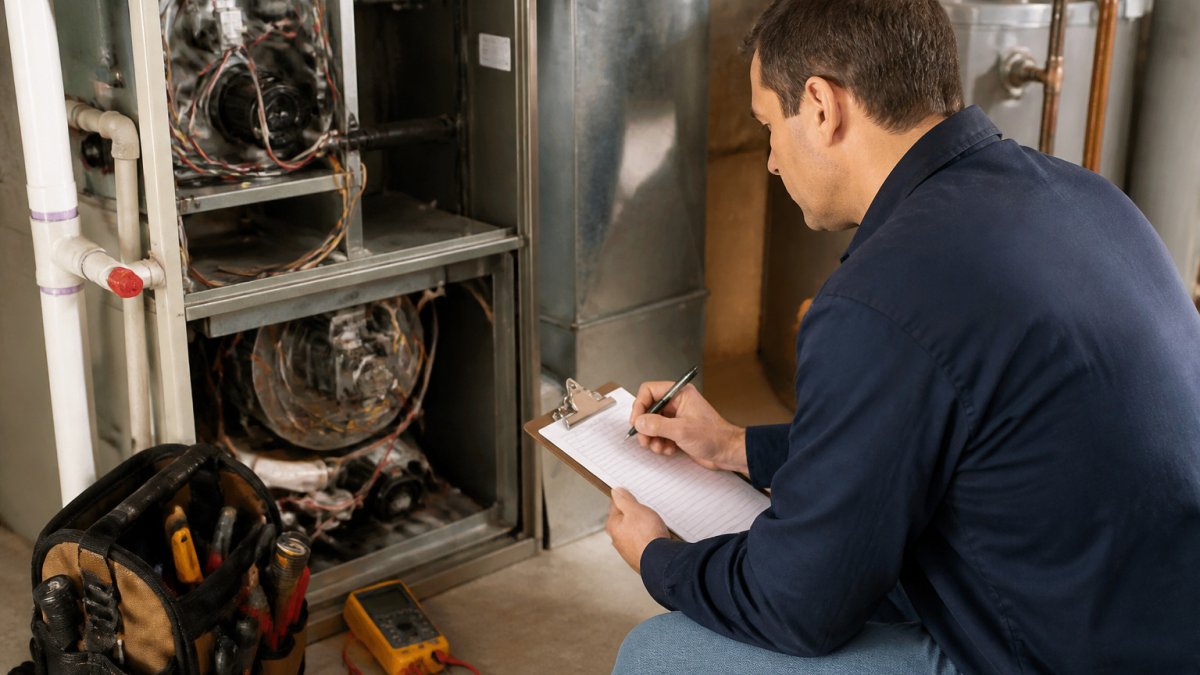
Final testing and field verification. Once systems are operational, the rater performs the required tests, duct leakage, airflow, refrigerant charge, or other measure-specific verification, and records results on the applicable HERS verification forms. Results must meet the thresholds in the compliance report; a failing result triggers repair and retest.
Documentation and submittal. The rater completes and submits the required HERS registry documents and provides copies the building department needs for permit close-out. The builder should confirm receipt and that the enforcement agency has accepted the documents before scheduling the final inspection.
Close-out. The building department reviews the submitted verification documents against the permit conditions. Missing or mismatched forms are a common reason final sign-off is delayed even when the work itself passed.
Pro Tip Build the verification schedule backward from your target final inspection date. Rough-in verification and final testing each need a buffer for correction and retest, and retests are the most common source of slipped dates.
Timelines vary by jurisdiction and project size.
Ready to plan your schedule? Read what a HERS rater checks during inspection to see each item the rater looks at.
After the final test passes, the rater submits results for the permit close-out. Read what happens after duct testing to learn what paperwork follows and when you can expect it.
The verification process runs in a fixed sequence, and each stage has its own timing and purpose.
Stage | What happens | Timing note |
Plan review and scope confirmation | Rater identifies every measure needing HERS verification | Confirm with enforcement agency before rough-in |
Pre-construction coordination | Rater, builder and HVAC contractor agree sequencing and access | Before rough-in |
Rough-in verification | Rater inspects concealed measures like insulation and duct sealing | Before drywall and insulation cover them |
Final testing and field verification | Rater runs required tests and records results | Once systems are operational |
Documentation and submittal | Rater submits HERS registry documents and building department copies | Confirm acceptance before final inspection |
Close-out | Building department checks documents against permit conditions | Missing or mismatched forms delay sign-off |
Duct Leakage Testing and What Raters Measure in the Field
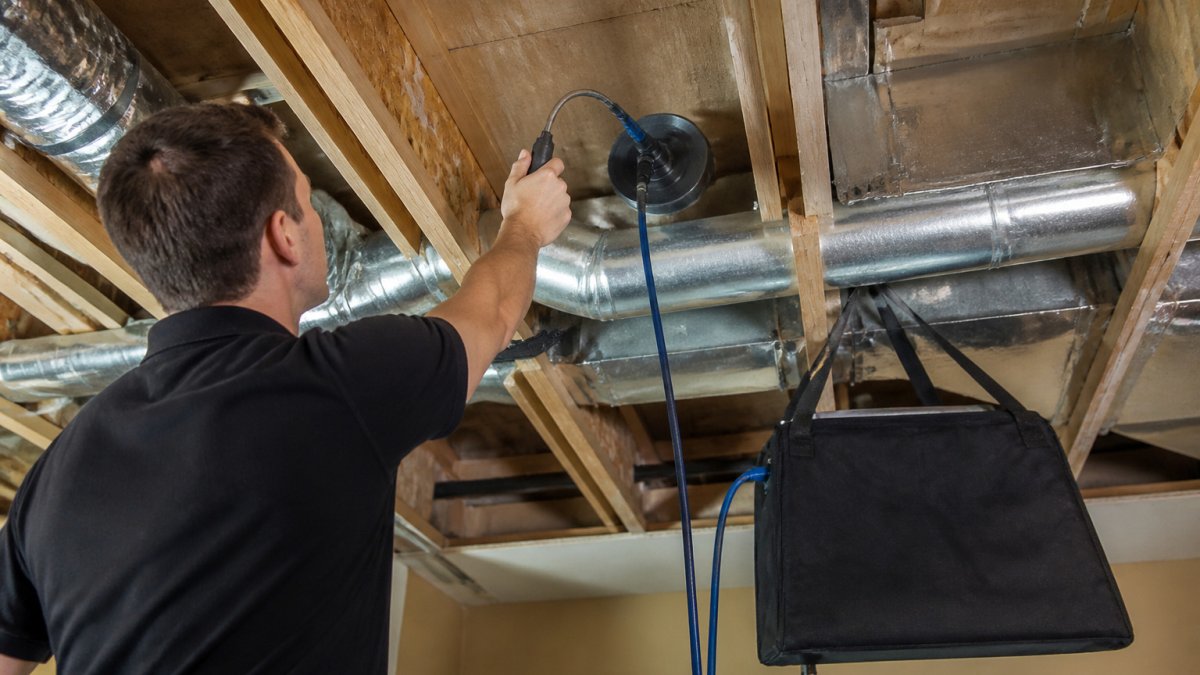
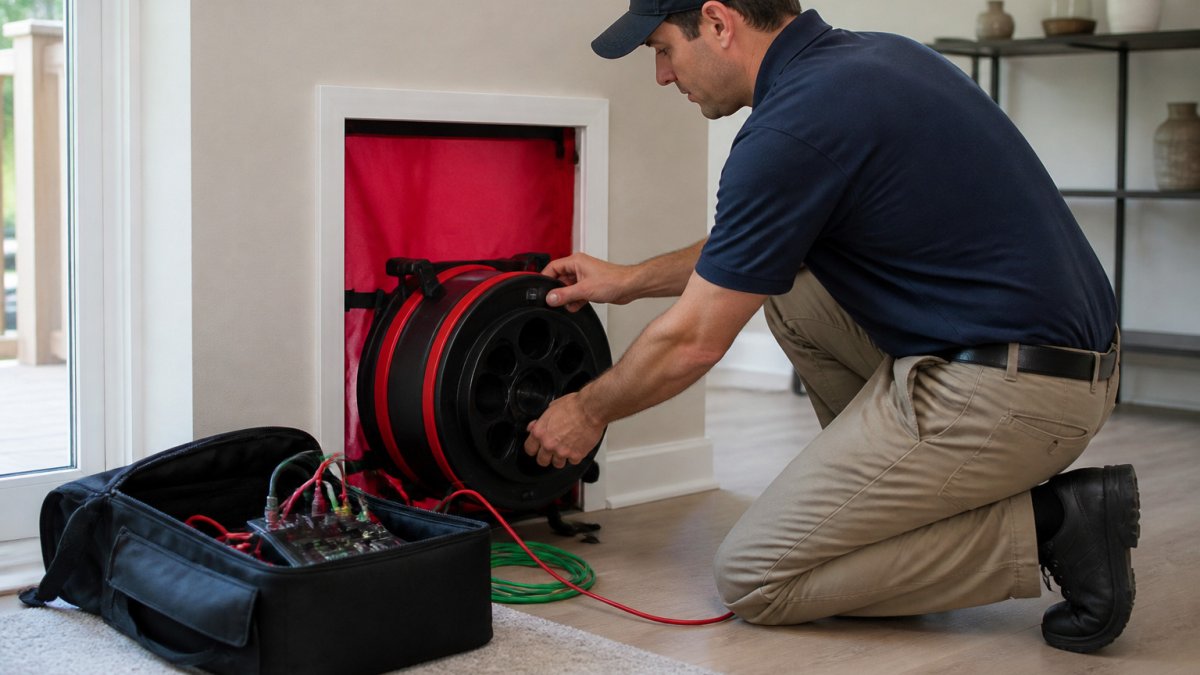
Duct leakage is one of the most common HERS test items. Leaky ducts waste conditioned air, which raises energy use and reduces comfort. Raters test duct systems to measure how much air escapes.
Raters typically measure:
Total duct leakage
Leakage to outside the conditioned space
Airflow at supply registers
Common Inspection Failures and How to Avoid Them
Walk the site before the rater arrives. Check that ducts are sealed, equipment is labeled and access panels are open. A short pre-check often saves a return visit.
How Much HERS Testing Costs and What Affects the Price
HERS testing pricing depends on the size of the project and its scope. Contact Central Duct Testing for a current quote based on your project details.
For a current quote, contact Central Duct Testing.
How to Find and Verify a Qualified California HERS Rater
Confirming a rater's qualifications before you sign a contract can help avoid permit delays. Use the steps below to check credentials before you sign a contract.
Step 1: Confirm the rater's current status. Ask for the rater's name, certification number, and the HERS provider they work through. California requires raters to be certified and to work under an approved HERS provider; as of January 1, 2026, the California Energy Commission refers to providers as ECC-Providers and raters as ECC-Raters (Home Energy Rating System Providers). Verify the credential directly with the provider or the applicable registry.
Step 2: Match credentials to the measures your project needs. HERS verification covers distinct measure categories, duct leakage, airflow, refrigerant charge, insulation quality, and others, and a rater's qualifications should cover every measure listed on your compliance report. Ask the rater to confirm, in writing, which measures they are approved to verify for your project type.
Step 3: Confirm experience with your project type and jurisdiction. Requirements and enforcement practices vary by building department. Ask how many projects the rater has verified in your jurisdiction and whether they have worked with your enforcement agency before. Familiarity with local submittal expectations reduces the risk of rejected documents.
Step 4: Get a written scope and quote. The quote should list each measure to be verified, the number of site visits anticipated, what triggers a retest, and what documentation will be delivered. Clarify travel charges and scheduling lead time. A written scope protects you from surprise charges when a retest is needed.
Step 5: Confirm documentation and communication. Ask what forms the rater submits, to whom, and on what timeline, and who your point of contact will be. A rater who cannot explain the documentation flow is a risk to your close-out schedule.
Questions to ask before hiring:
What is your certification number and HERS provider?
Which measures on my compliance report are you approved to verify?
How many projects have you verified in this jurisdiction?
What is your typical lead time for rough-in and final visits?
What happens if a test fails, who schedules the retest and what does it cost?
What documentation do you provide, and when?
Watch Out Ask for the certification number and verify it with the provider or registry.
A HVAC technician and a builder reviewing a printed testing report together on a residential job site.

Booking Your HERS Testing With Central Duct Testing
Share your plans, your permit timeline and any inspection dates with us so we can plan the visit. Central Duct Testing provides certified HERS testing and Title 24 documentation for residential and commercial projects.
Contact Central Duct Testing today to request a quote and schedule your testing.
Frequently Asked Questions
What does a HERS rater do?
A HERS rater is a certified third-party inspector who tests a home's energy performance against the requirements of the Home Energy Rating System and California's Title 24 energy code. On a typical project, the rater reviews construction plans, observes installation in the field, and runs performance tests such as duct leakage and blower-door air leakage tests. The rater then documents the results in compliance paperwork that the building department reviews before final sign-off. Because raters are independent, they report measured results rather than the designer's or installer's expectations.
How much does HERS testing cost?
HERS testing pricing depends on the size and type of the project, the number of measures being verified, and the scheduling. Central Duct Testing does not publish standard rates in this article, so contact Central Duct Testing directly or visit its website for a current quote tailored to your project. Asking for a quote that lists each required test and visit will make it easier to compare the total cost against your project contingency.
How do I find a qualified HERS rater?
Start by confirming that the rater holds current certification and works under an approved HERS provider. California has transitioned its terminology, so providers and raters may now appear as ECC-Providers and ECC-Raters as of January 1, 2026. Ask for proof of certification and confirm the rater's experience with your project type.
Does a failed HERS test mean my project is delayed?
A failed measure does not automatically stop a project, but it does require correction and retesting before the building department can approve the work. Schedule testing before drywall closes and before the final inspection window so repairs are easier to make.
Comments