


Home Energy Audit Cost: What Auditors Charge and Why

Last Updated: October 28, 2026
Quick Summary
An energy audit is a structured assessment of how a building uses energy and where that energy is lost. Auditors measure air leakage, duct leakage and insulation, then rank fixes by cost and payback. Home energy audit cost depends mainly on the house size and the level of testing included.
Auditors typically inspect the envelope, heating and cooling equipment, ductwork, and a year of energy bills.
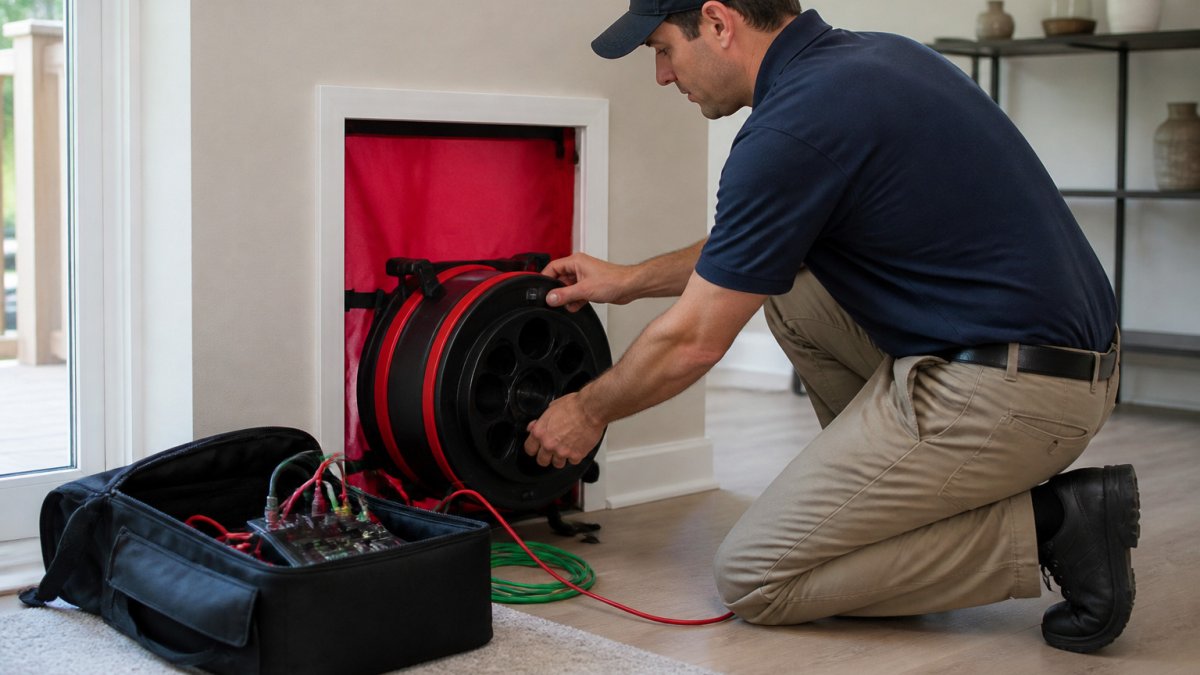
Blower door fans measure total air leakage, usually reported as air changes per hour at 50 pascals.
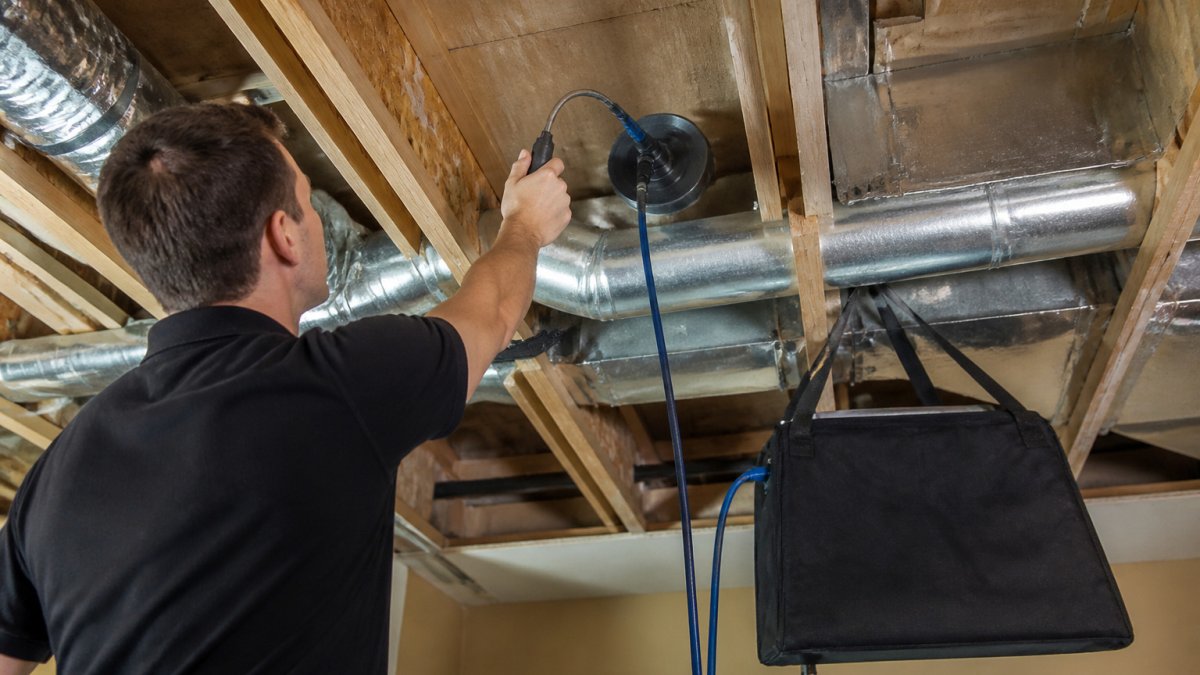
Duct leakage testers measure how much conditioned air escapes before reaching the rooms it serves.
Infrared cameras reveal missing or compressed insulation, thermal bridging and moisture problems.
A useful audit report includes measured baselines, prioritized upgrades with payback, and separately flagged safety concerns.
Table of Contents
Most homeowners who call for an energy audit are surprised by the quote, and the reason usually comes down to what is actually being measured. Home energy audit cost in the United States depends on the size and age of the house, the level of testing included, and whether the audit is a basic walkthrough or a full diagnostic. Central Duct Testing offers certified HERS testing and Title 24 compliance services for residential and commercial properties.
What an Energy Audit Covers and Why It Matters
An energy audit is a structured assessment of how a building uses energy and where that energy is being lost.
Auditors typically look at the building envelope (insulation, air leakage, windows and doors), the heating and cooling equipment, the ductwork, and the household's energy bills over the past year.
The U.S. Department of Energy notes that home energy audits can identify problems such as air leaks and inadequate insulation that drive up heating and cooling costs (U.S. Department of Energy).
Energy Audit Tools Auditors Use to Find Waste
Visual inspection only goes so far. Most of the waste that matters is invisible without instruments, which is why auditors rely on a standard set of tools to measure what is happening inside the structure.

The most common instruments include:
Blower door fan: Depressurizes the house to measure total air leakage, usually reported in air changes per hour at 50 pascals.
Infrared thermal camera: Reveals missing or compressed insulation, thermal bridging and moisture problems as temperature differences on the surface.
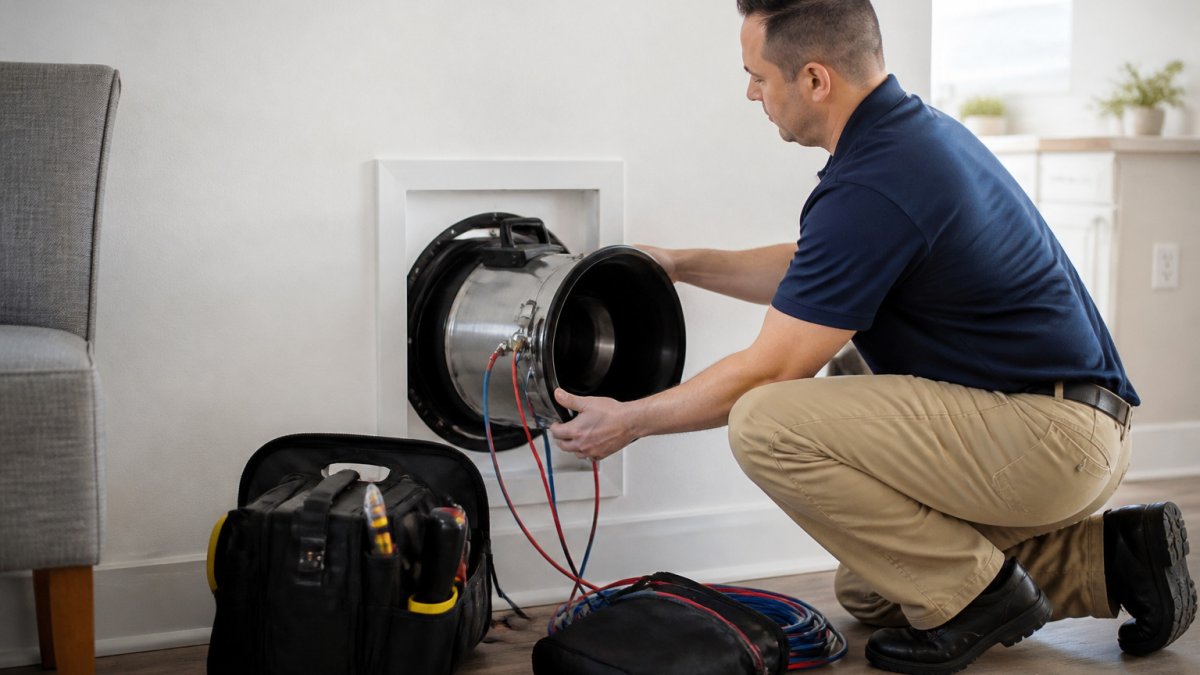
Duct leakage tester: Measures how much conditioned air escapes from the duct system before it reaches the rooms it is meant to serve.
Manometer and airflow hood: Verifies pressure relationships and supply airflow at registers.
Combustion analyzer: Checks gas appliances for safe combustion and efficiency.
A practical tip: if an audit report does not include measured air leakage or duct leakage numbers, ask why. Visual-only audits are cheaper to produce, but they leave the largest energy losses unquantified.
Energy Audit Checklist: What the Walkthrough Covers
A walkthrough only produces reliable findings when it follows a repeatable field sequence, and the sequence matters as much as the items on the list. The order below is built around how an auditor actually works a site: establish the baseline first, measure the envelope and distribution system before touching equipment, then close out with safety and a prioritized deliverable.
Phase 1, Intake and baseline (before the site visit)
Collect 12-36 months of utility bills and, where available, interval meter data to establish consumption and demand patterns
Confirm fuel types, rate schedule, and any demand charges that affect project economics
Review prior audit reports, commissioning documents, and any known comfort or moisture complaints
Confirm scope and audit level with the client in writing so the deliverable matches expectations
Phase 2, Envelope and distribution (measured, not visual)
Test building-envelope air leakage with a blower door; record CFM50 and air changes per hour at 50 pascals (ACH50)
Scan walls, ceilings, floors, and rim joists with an infrared camera under a established temperature difference
Measure duct system leakage (total and to outdoors) and inspect accessible ductwork for disconnects, compression, and insulation gaps
Verify attic and wall insulation depth, coverage, and installation quality against the intended R-value
Inspect windows, exterior doors, and weatherstripping for air and moisture pathways
Phase 3, Equipment and controls
Record heating and cooling equipment age, capacity, efficiency rating, and operating condition
Verify thermostat and control schedules against actual occupancy
Check ventilation rates and combustion safety on gas appliances with a combustion analyzer
Verify water heater condition, fuel type, and setpoint
Phase 4, Analysis and deliverable
Model the measured baseline and proposed measures so savings estimates trace back to field data
Rank measures by cost, savings, and payback, and flag health and safety findings separately
Produce a report a contractor or inspector can act on without calling the auditor for clarification
Pro Tip A practical test for any checklist: if a step does not produce a number, an image, or a documented observation that feeds the report, it is not pulling its weight. Auditors who track which field data points actually appear in the final deliverable tend to cut wasted site time without losing depth.
Watch Out A checklist that stops at "look around the house" will miss the duct and air leakage problems that often account for the largest losses. If a provider cannot tell you which instruments they use and which measurements will appear in the report, treat the scope as a walkthrough, not a diagnostic audit.
The unique angle here is that this is an auditor's field workflow, not a homeowner's to-do list. The same sequence scales from a single-family diagnostic to a commercial assessment, the instruments and the modeling change, but the discipline of baseline-first, measure-before-recommend does not.
The walkthrough follows a repeatable field sequence, summarised below.
Phase | Focus | Key measurement |
Phase 1: Intake and baseline | Utility bills and scope | 12-36 months of bills |
Phase 2: Envelope and distribution | Measured leakage and insulation | CFM50 and ACH50 from blower door |
Phase 3: Equipment and controls | Equipment condition and safety | Combustion analyzer readings |
Phase 4: Analysis and deliverable | Ranked upgrades | Cost, savings and payback |
Home Energy Audit Cost: What Drives the Price
Home energy audit cost in the United States varies widely, and the price is driven mainly by scope rather than by the auditor's time alone. A basic walkthrough with a few measurements costs far less than a comprehensive audit with blower door testing, duct testing, infrared imaging and a detailed written report.
The main factors that move the price are:
Home size and complexity: Larger homes, multiple stories and finished basements take longer to test.
Level of testing: Adding a blower door test or duct leakage test increases both time and equipment cost.
Report depth: A prioritized list of upgrades with projected savings takes more analysis than a basic summary.
Regional market and provider credentials: Certified raters with documented quality assurance often charge more than informal assessors.
Follow-up support: Some providers include a review call or help with contractor selection; others do not.
Pricing information for specific programs or utility rebates should be verified directly with the program administrator, since availability changes over time.
How Auditors Prioritize Upgrades and Measure Savings
Baseline selection. The baseline is the pre-installation condition the savings are measured against, and choosing it badly distorts every number downstream.
Prioritization logic. Ranking by simple payback is a starting point, not the finish line. A more defensible ranking considers:
Cost per unit of saved energy across measures, so air sealing and duct repair can be compared fairly against equipment replacement
Interactive effects, envelope improvements reduce equipment load, so the savings from a new system are smaller if the envelope is fixed first
Measure life, a measure with a longer useful life can justify a longer payback than a short-lived one
Non-energy benefits, comfort, moisture control, and durability often matter to owners but do not show up in a payback calculation
Incentives and financing, utility rebates and available financing change the effective payback and should be evaluated before the final ranking, not after
Sealing air leaks and fixing ducts often outperform new equipment on a cost-per-dollar-saved basis, so a good prioritized list should reflect that rather than leading with the most visible upgrade.
Measurement and verification. Projected savings and measured savings are different claims, and a credible audit says which one it is making.
Savings persistence. Savings that appear in the first year and erode afterward are a known failure mode.
Key Takeaway The auditor's deliverable is not a list of upgrades; it is a defensible claim about savings. State the baseline, state the verification method, and state how persistence will be checked, otherwise the projected number is a guess with a decimal point.
IPMVP measurement and verification options
Energy Audit Report: What a Useful Deliverable Includes
A well-built audit report should let a homeowner, builder or contractor act without calling the auditor for clarification. It should contain measured results, not only observations, and every recommendation should carry a reason and an expected outcome.
A useful report typically includes:
The measured baseline: utility consumption, air leakage and duct leakage values
Photos and infrared images tied to specific findings
A prioritized list of recommended upgrades with estimated savings and payback
Any health, safety or combustion concerns flagged separately and clearly
Test results documented in a format that contractors and inspectors can review
If you are a contractor or builder, ask whether the report can be used for permit close-out or compliance documentation, since that determines the format you need.
Choosing a Qualified Auditor and Booking Your Next Step
Choosing the right auditor matters as much as choosing the right upgrades. Look for certified raters or credentialed professionals, ask what instruments they use and whether testing results will appear in the report, and request a sample report before you commit.
Before you book, define your goal. A homeowner trying to lower bills needs a different scope than a builder who must document compliance for a permit.
Frequently Asked Questions
How much does a home energy audit cost?
Pricing depends on home size, audit level, whether blower door and duct testing are included, and local market conditions, so no single figure applies to every home. Basic walkthrough audits generally cost less than audits that include diagnostic testing and a detailed written report.
What does an energy auditor look for during an energy audit?
An auditor typically inspects insulation levels, air leakage through the building envelope, window and door condition, heating and cooling equipment, ductwork, and water heating. The goal is to identify where energy is being wasted and which fixes will deliver the most benefit. Diagnostic testing such as a blower door test or duct leakage test helps confirm problems that cannot be seen during a visual inspection alone.
What should an energy audit report include?
A useful energy audit report lists the measured conditions, the problems found, and recommended improvements ranked by expected impact and cost. It should explain the reasoning behind each recommendation and note which items are low-cost or no-cost. Clear documentation of test results is also important for permit close-outs and for contractors who need to verify that work meets the required standards.
How long does an energy audit take?
Most residential energy audits take a few hours on site, with additional time needed for diagnostic testing and report preparation. Larger homes and commercial buildings require more time. Scheduling the audit before a planned renovation or HVAC replacement helps keep the project timeline on track, because the findings can inform the scope of work before crews begin.
How can homeowners use an energy audit to reduce utility bills?
Homeowners can use the audit findings to prioritize upgrades that reduce air leakage, improve insulation, and correct duct problems, which are common sources of wasted energy. Starting with low-cost fixes such as sealing leaks and adjusting equipment settings often produces early savings. Larger investments, such as equipment replacement, can then be planned based on the auditor's ranked recommendations.
What tools do energy auditors use to find energy waste?
Common tools include blower door fans for measuring air leakage, infrared thermal cameras for locating insulation gaps and moisture, duct leakage testers, combustion analyzers for heating equipment, and power meters for measuring appliance energy use. Each tool addresses a specific type of waste, so auditors select equipment based on the home's construction and the concerns the homeowner or contractor has raised.
What are the most effective energy efficiency improvements for a home?
Air sealing, attic and wall insulation, duct sealing, and HVAC equipment upgrades are among the most commonly recommended improvements because they address large sources of energy loss. The most effective choice depends on the specific home. An audit provides a ranked list so improvements can be sequenced by cost and expected benefit rather than guessed at.
Comments