


Home Energy Audit Cost: What You'll Pay in 2026

Table of Contents
Home Energy Audit Cost: What Determines the Price
What a Professional Audit Includes at Each Price Point
Free Home Energy Audit: Who Qualifies and How to Apply
Home Energy Audit Duration: How Long Does It Take?
DIY Home Energy Audit: When It Makes Sense
Home Energy Audit Checklist: What to Prepare Before the Visit
How to Calculate Payback and Find a Qualified Auditor
Frequently Asked Questions
Last Updated: October 7, 2026
Home Energy Audit Cost: What Determines the Price
The energy audit cost depends on three things: the type of assessment, the size of your home, and whether a utility program subsidizes the visit. Most homeowners pay for a professional audit only when they need documentation for a rebate, a permit, or a renovation.
A home energy audit is a room-by-room evaluation of how your house uses and loses energy. It measures air leakage, insulation levels, and the performance of your heating and cooling systems.
Here is the part most guides skip: there is no single national price. What exists is a set of ranges tied to scope and square footage. The table below reflects the ranges most practitioners report across the country, before any utility subsidy.
Audit Type | What It Includes | Typical Range |
Visual walkthrough | Inspector reviews insulation, windows, doors, and HVAC condition; written summary only | $100 to $250 |
Diagnostic audit | Walkthrough plus blower door and infrared camera; measured air leakage | $250 to $500 |
Full diagnostic with duct testing | Diagnostic audit plus duct leakage testing and combustion safety check | $400 to $800 |
HERS rating or compliance audit | Certified testing for a rebate, permit, or code requirement | $500 to $1,200+ |
Home size shifts these numbers. A small home under 1,500 square feet often lands at the low end of each band. A home over 3,000 square feet, or one with multiple HVAC zones, can push the fee toward the top of the band or above it. Duct testing is frequently billed as a separate line item because it requires its own equipment and setup time.
Utility programs change the math entirely. Many utilities subsidize the audit for all customers and charge only for add-on testing. Income-qualified households can often get the assessment at no cost through a weatherization program. That is why two neighbors with similar homes can pay very different amounts for what sounds like the same service.
Cost Factor | What Drives It | Typical Impact |
Home size | Square footage, number of zones | Base fee rises with size |
Audit type | Visual walkthrough vs. diagnostic testing | Diagnostic costs more |
Duct testing | Required for many rebates and permits | Adds a separate line item |
Utility program | Rebate or subsidized assessment | Can reduce cost to zero |
Key Takeaway Before you compare quotes, confirm which tier you are being quoted. A $150 walkthrough and a $600 diagnostic audit are not the same product, and comparing them side by side will lead you to the wrong conclusion.
Square footage drives the base fee. Add-ons like duct leakage testing and thermal imaging push it higher. Utility rebates can bring it to zero.
Below, we break down what each price tier includes, who qualifies for a no-cost assessment, and how to judge whether the fee pays for itself.
What a Professional Audit Includes at Each Price Point
A professional audit is not one service. It is a bundle, and the bundle changes with price.
At the entry level, expect a visual walkthrough: an inspector checks insulation, windows, doors, and the general condition of your heating and cooling system. This tier produces a written summary but little hard measurement.

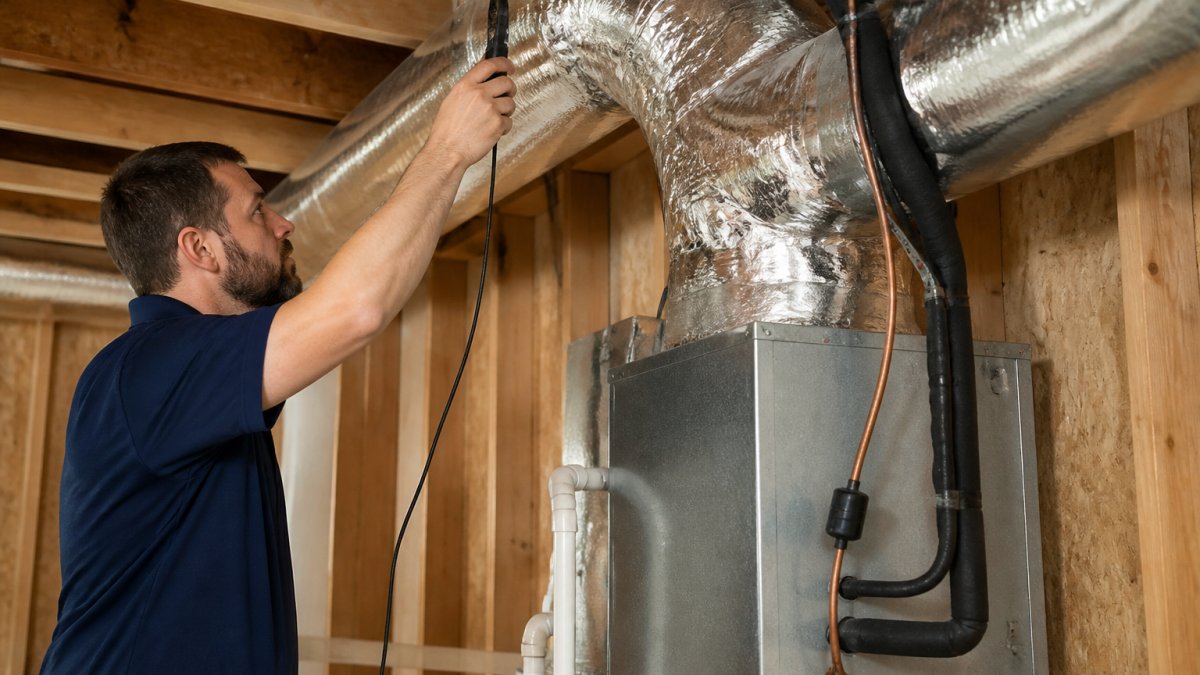
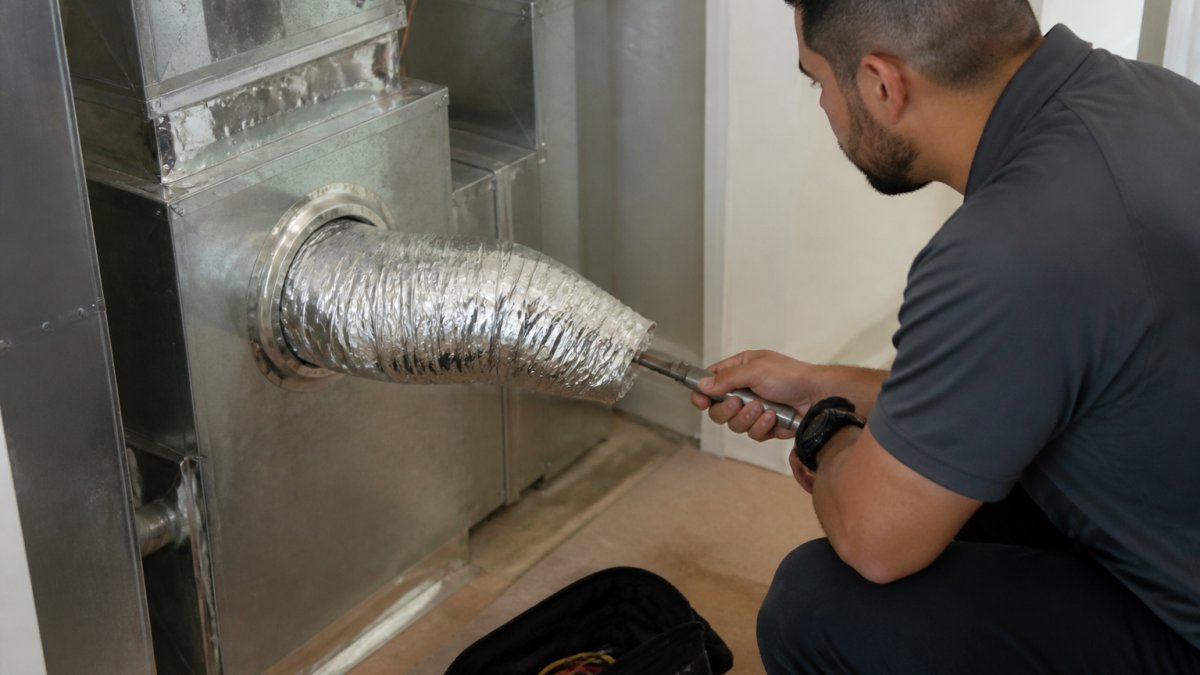
The mid tier adds diagnostic tools. A blower door depressurizes the house to measure air leakage. A thermal camera finds missing insulation behind walls. Duct leakage testing measures how much conditioned air escapes before it reaches your rooms.
The top tier bundles everything plus a combustion safety check and a prioritized list of fixes with estimated savings per item.
Key Takeaway The single biggest price driver is not home size. It is whether the audit includes measured diagnostic testing or just a visual inspection. Ask which one you are buying before you compare quotes.
Free Home Energy Audit: Who Qualifies and How to Apply
A free home energy audit usually comes through a utility or state program, and income eligibility is the most common gate.
Many utilities offer no-cost assessments to customers below an income threshold. Others subsidize the audit for everyone and charge only for add-on testing. Weatherization programs, funded through federal and state sources, typically cover the full cost for qualifying households.
To apply, you generally need proof of income, your account number, and a home that meets the program's condition rules. Some programs require you to complete the recommended improvements to keep the subsidy.
As documented in the Department of Energy's weatherization program overview, income-qualified households can receive a no-cost assessment and follow-up improvements. Check with your utility first, since local programs often stack on top of federal ones.
Home Energy Audit Duration: How Long Does It Take?
A home energy audit duration runs from about one hour for a basic walkthrough to three or four hours for a full diagnostic assessment.
The variables are simple. Larger homes take longer. Adding duct leakage testing or a blower door test adds time. If the auditor writes a detailed report with per-item savings estimates, budget extra.
Here is a rough guide:
Visual walkthrough only: 1 to 1.5 hours
Walkthrough plus blower door: 2 to 3 hours
Full diagnostic with duct testing and thermal imaging: 3 to 4 hours
For most homeowners, a half-day is the realistic window. Plan to be home, and clear access to the attic, crawlspace, and mechanical closet.
DIY Home Energy Audit: When It Makes Sense
A DIY energy audit makes sense when you want to find obvious problems before paying for a professional visit.
You can spot drafty rooms, feel air leaks around windows and doors, and check insulation levels in the attic with a flashlight. A DIY walkthrough costs nothing and often reveals low-hanging fixes.
What a DIY audit cannot do is measure. It cannot quantify duct leakage, verify insulation R-values, or produce the documentation a rebate or permit requires. If you need proof for a program or an inspector, a certified auditor has to do the work.
A common mistake is treating a DIY check as a substitute for diagnostic testing. Use it to prioritize, not to certify.
Home Energy Audit Checklist: What to Prepare Before the Visit
A home energy audit checklist keeps the visit on schedule and helps the auditor focus on real problems.
Prepare these items before the auditor arrives:
Clear access to the attic, crawlspace, and mechanical closet
Note the rooms that feel too hot or too cold
Gather the last 12 months of utility bills
List recent renovations, especially insulation or window work
Secure pets and clear a path to the thermostat
Write down your top comfort complaints
Pro Tip Pull your last 12 months of utility bills before the visit. Auditors use them to benchmark your energy use against similar homes, and that comparison often surfaces problems a visual inspection misses.
How to Calculate Payback and Find a Qualified Auditor
Payback math is simple in principle: divide the cost of an improvement by its annual savings. If air sealing costs a set amount and cuts your annual energy costs by a measurable amount, the payback is the ratio of the two. The hard part is getting honest savings estimates, and that is where the audit report either earns its fee or does not.
A workable framework has four steps:
List each recommended fix separately. A report that bundles air sealing, insulation, and duct repair into one savings figure is not usable. Ask for per-item projections.
Subtract available incentives. Federal, state, and utility rebates reduce your net cost, which shortens payback. Apply them to the specific measure, not the project as a whole.
Divide net cost by annual savings. That gives you years to payback. A fix with a two-year payback is usually worth doing first; a fix with a fifteen-year payback may not be.
Rank by payback, then by urgency. Safety issues like combustion problems or blocked venting move to the top regardless of payback.
A common pattern is that air sealing and attic insulation deliver the shortest payback, while window replacement delivers one of the longest. That does not mean windows are never worth it, but it does mean they usually belong later in the sequence.
Finding a qualified auditor matters as much as the price. Look for:
Certification in building performance or HERS testing
Experience with the specific rebate or permit program you are using
Willingness to put savings estimates in writing
A clear scope that states whether diagnostic testing is included
Proof of insurance and a written deliverable list before work begins
Questions worth asking before you book:
Which diagnostic tools will you use, and are they included in the quoted price?
Will the report list savings per recommended measure?
Do you have experience documenting for the program I am applying to?
What is your turnaround time for the written report?
For permit-driven work, a certified auditor who understands Title 24 and HERS requirements will save you a failed inspection. At Central Duct Testing, our certified team handles HERS testing and Title 24 documentation so builders and homeowners get sign-off without delays.
A related question we hear often: what happens after the audit? A good auditor hands you a prioritized plan, not just a report. Some providers can help address duct and airflow problems before the inspector arrives.
Frequently Asked Questions
Is it worth getting a home energy audit?
A home energy audit is worth it if your energy bills are higher than expected or your home has uncomfortable rooms, drafts, or uneven heating. The audit identifies specific problems like air leaks, poor insulation, or HVAC inefficiencies. Once you know what is wrong, you can prioritize fixes that reduce energy costs. Many utility companies offer rebates that cover part or all of the audit fee, making the upfront cost lower.
How much is a typical home energy audit?
The cost depends on your home size, the type of audit, and your location. A basic walkthrough assessment costs less than a comprehensive audit that includes blower door testing and thermal imaging. Some utility companies and state programs offer no-cost assessments for income-eligible households. For a firm quote, contact a certified auditor directly and ask what the fee includes before you book.
Can I do my own energy audit?
You can perform a DIY home energy audit to spot obvious issues like drafty windows, gaps around doors, or insufficient attic insulation. However, a DIY check cannot measure air leakage rates or test HVAC performance the way a professional audit with blower door equipment can. Use a DIY walkthrough as a starting point, then hire a certified auditor if you find problems that need precise measurement.
What should I ask before hiring a home energy auditor?
Ask whether the auditor holds certifications such as BPI or RESNET, what equipment they use, and whether the fee includes a written report with prioritized recommendations. Confirm whether they offer follow-up support or can connect you with contractors for the repairs. Also ask if they help with rebate paperwork. A qualified auditor should explain the assessment process clearly and provide a cost estimate before scheduling.
Energy audits only pay off when the findings turn into fixes that pass inspection and cut your bills. Central Duct Testing provides certified HERS testing, Title 24 compliance, and precise diagnostic documentation for homeowners, builders, and property managers. Our certified team uses professional-grade equipment to deliver reliable results, consistent comfort, and fewer costly delays. Contact us now to schedule your assessment and get documentation you can hand straight to your inspector.
Contact Us Now

Comments