


How Can Code Consultants Improve Energy Efficiency?

Last Updated: October 25, 2026
Quick Summary
Code consultants improve energy efficiency by mastering energy code compliance, conducting energy modeling to verify performance, and implementing structured workflows that catch non-compliance during design rather than construction. This approach accelerates permit approvals, reduces costly revisions, and builds stronger client relationships.
A home built to the 2015 IECC is on average 20% more efficient than one built to the 2009 IECC.
Compliance costs for 2024 IECC standards range approximately $3,300 to $7,800 per home depending on jurisdiction amendments.
Early code review during design phase prevents expensive rework; catching issues after framing is complete costs significantly more.
First-pass permit approval rate of 90% or higher indicates a strong compliance framework and documentation process.
HVAC commissioning including duct leakage testing and airflow balance is essential to verify systems perform as designed.
Table of Contents
Why Energy Efficiency Matters for Code Consultants and Builders
Energy Code Compliance Strategies That Drive Results
Building Energy Efficiency Strategies: A Consultant's Framework
Energy Modeling and Performance Analysis
Plan Review and Compliance Documentation
HVAC Commissioning: The Critical Link to Energy Performance
Working as an Energy Efficiency Consultant: Tools, Workflows, and Metrics
Essential Software and Diagnostic Equipment
A Repeatable Consultant Workflow
Measuring Success: Project Outcomes and Business Metrics
How to Improve Energy Efficiency in Your Next Project
Getting Started with Your Energy Efficiency Assessment
Frequently Asked Questions
Why Energy Efficiency Matters for Code Consultants and Builders
Energy efficiency isn't optional anymore, it's embedded in every building code across the country.
According to the U.S. Department of Energy's 2024 determination on Standard 90.1-2022, the latest energy standards will achieve greater efficiency in buildings subject to the code.
Energy code compliance either accelerates a project or stalls it. The difference comes down to understanding what codes require, how to measure performance, and how to document everything properly.
Energy Code Compliance Strategies That Drive Results
Energy code compliance isn't just about passing inspection. It's about structuring your approach so that compliance becomes predictable, documented, and defensible.
Start by understanding your jurisdiction's specific amendments. The International Energy Conservation Code (IECC) sets the national baseline, but every state and many local jurisdictions add their own requirements.
Your compliance strategy should include three core components:
Early code review, Identify energy requirements during design phase, not after framing is complete
Continuous documentation, Maintain records of all testing, calculations, and equipment specifications from day one
Proactive communication, Brief builders and designers on requirements before work begins, not after failures occur
Title 24 Compliance for Builders: A 2026 Guide provides detailed compliance pathways that code consultants can reference when advising clients on strategy.
Building Energy Efficiency Strategies: A Consultant's Framework
Improving energy efficiency requires a structured approach that connects code requirements to actual building performance. Code consultants who develop this framework become indispensable to their clients.
Energy Modeling and Performance Analysis
Energy modeling is where compliance strategy becomes measurable.
This shift matters because it gives builders flexibility. A designer might exceed insulation requirements in some areas but use high-efficiency HVAC equipment to offset costs elsewhere.
The modeling process requires accurate building characteristics: square footage, window-to-wall ratios, insulation values, HVAC system type, and occupancy patterns. Small input errors cascade into significant performance miscalculations.
Plan Review and Compliance Documentation
Plan review is where consultants earn their fee. A thorough review catches non-compliance before construction, preventing costly rework and permit delays.
Your review should validate three things: (1) the design meets code requirements, (2) the calculations are accurate, and (3) the documentation is complete. Missing documentation is as problematic as a non-compliant design because inspectors cannot approve what they cannot verify.
Maintain a master checklist for your jurisdiction covering all energy code requirements. Include insulation values, air sealing specifications, HVAC equipment ratings, duct leakage limits, and any local amendments. Check each item systematically during plan review.
HVAC Commissioning: The Critical Link to Energy Performance
HVAC commissioning is the bridge between design and reality. A perfectly designed system that's installed incorrectly or improperly balanced won't deliver the efficiency the code requires.

Commissioning verifies that HVAC systems actually perform as designed. This includes duct leakage testing, airflow balance, refrigerant charge verification, and control system calibration.
The lighting power density efficiency values from ASHRAE standards increased more than 150% from 1999 to 2019 across 11 building types, according to Consulting-Specifying Engineer's analysis of code evolution. That improvement reflects how codes tighten requirements continuously. HVAC commissioning ensures your systems stay compliant even as codes evolve.
Central Duct Testing offers expert HVAC services, specializing in certified HERs testing and Title 24 compliance for residential and commercial properties, ensuring your systems achieve maximum energy efficiency and consistent comfort.
Working as an Energy Efficiency Consultant: Tools, Workflows, and Metrics
Building a sustainable consulting practice requires the right tools, a repeatable workflow, and metrics that prove your value to builders.
Essential Software and Diagnostic Equipment
Energy modeling software is non-negotiable. The most common platforms in residential and light-commercial compliance work include REM/Rate, EnergyPro, Ekotrope, and BEopt (the latter from the National Renewable Energy Laboratory).
Beyond modeling software, you need diagnostic equipment:
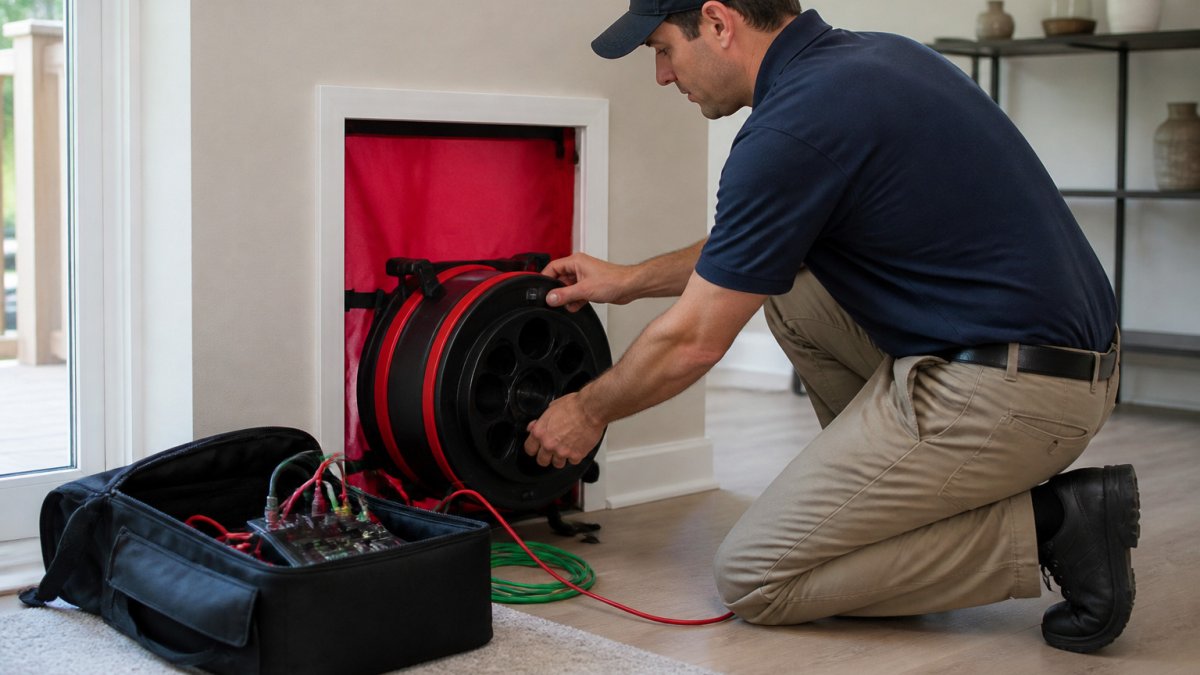
Blower door for whole-building air leakage testing (required under IECC air-sealing provisions and many utility programs)
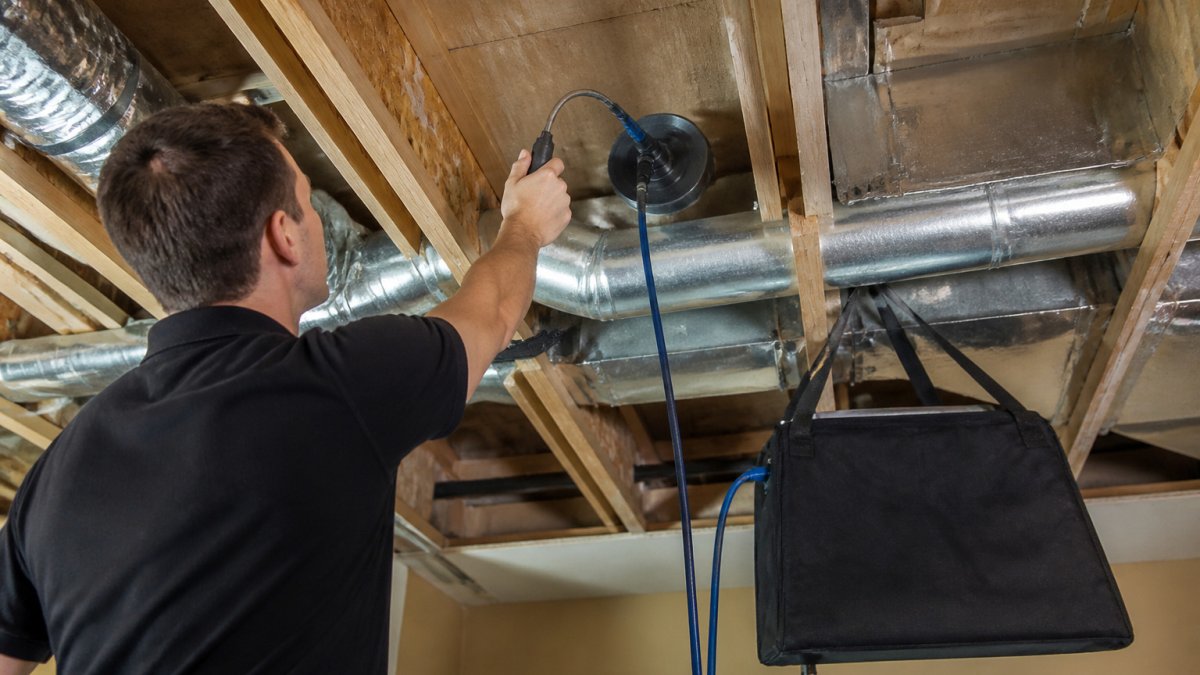
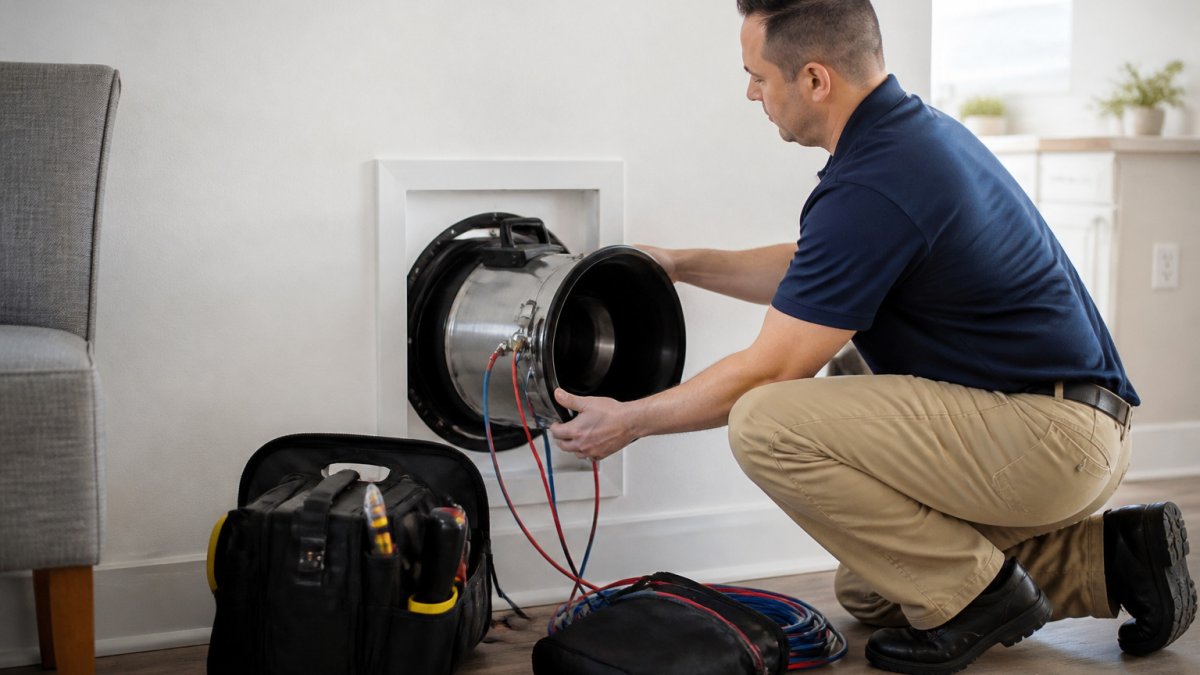
Duct blaster for duct leakage measurement (total and to-outside leakage)
Thermal imaging camera to identify insulation gaps, thermal bridging, and air infiltration paths
A common pattern is that a single blower door and duct blaster combination runs several thousand dollars, while thermal cameras range from a few hundred to several thousand depending on resolution.
Project management and documentation software keeps you organized.
Pro Tip Standardize your file naming and folder structure across every project. A consistent convention (project number, address, code edition, document type) saves hours over a year and reduces the risk of submitting the wrong version to an inspector.
A Repeatable Consultant Workflow
The strongest consultants run every project through the same five-stage workflow:
Intake and code scoping, Confirm the jurisdiction, adopted code edition, local amendments, and compliance pathway (prescriptive vs. performance) before design begins.
Design review and modeling, Review plans against the applicable code, run the energy model, and flag trade-offs early.
Documentation assembly, Build the compliance package: code-requirement matrix, calculations, equipment specifications, and signed compliance statements.
Construction-phase coordination, Brief the HVAC and envelope trades on testing requirements and schedule inspections before drywall or commissioning.
Verification and closeout, Conduct post-construction testing, compile results, and submit the final package for permit sign-off.
This workflow prevents the most common failure mode: discovering a compliance gap after construction, when fixes are expensive and schedules slip.
Measuring Success: Project Outcomes and Business Metrics
Track these metrics monthly to measure your consulting impact and improve your delivery:
First-pass permit approval rate, The share of projects that pass inspection on first submission. Most established consultants target 90% or higher; anything lower signals documentation or coordination gaps.
Review-to-sign-off cycle time, Days from initial plan review to final inspection approval. Shorter cycles make you attractive to builders managing tight schedules.
Rework rate, The percentage of projects requiring corrections or re-inspection. Tracking root causes (missing documentation, modeling errors, installation defects) tells you where to invest training or process changes.
Document these metrics in a simple dashboard. They show whether your framework is working, where you need to improve, and, critically, give you concrete evidence to share with prospective clients.
How to Improve Energy Efficiency in Your Next Project
The practical path to improved energy efficiency for code consultants starts with a single project executed with precision.
Schedule a pre-design consultation, Meet with the design team before plans are drawn. Confirm the jurisdiction's adopted code edition (for example, whether the local code is based on the 2018, 2021, or 2024 IECC, or ASHRAE 90.1 for commercial work) and identify the compliance pathway. Deliverable: a one-page code-scoping memo listing applicable requirements and local amendments.
Review preliminary plans, Check for obvious non-compliance before detailed design work begins. Verify envelope assemblies, window-to-wall ratios, and HVAC system selections against prescriptive requirements. Catching issues here costs nothing; catching them after design costs time and money.
Conduct energy modeling, Run performance analysis to verify the design meets code. Identify areas where costs can be reduced without sacrificing compliance, for example, trading envelope upgrades against HVAC efficiency where the performance pathway allows.
Prepare detailed compliance documentation, Create a document that maps every code requirement to the design solution that meets it. Include insulation R-values, air-sealing specifications, duct leakage limits, equipment efficiency ratings, and any local amendments. This becomes your inspector's roadmap.
Coordinate with the HVAC contractor, Ensure the contractor understands duct leakage limits, airflow requirements, and commissioning expectations before installation begins. Provide a written testing protocol so there are no surprises at inspection.
Conduct post-construction testing, Perform duct testing, blower door testing, and HVAC commissioning to verify performance. Document all results with equipment calibration records and test conditions.
Submit the final compliance package, Provide the inspector with complete documentation: calculations, test results, equipment certifications, and signed compliance statements.
Key Takeaway A worked example: on a single-family residential project, a consultant who catches a missing duct leakage specification during plan review can redirect the HVAC contractor to sealed, tested ductwork before rough-in, avoiding a failed final inspection and the rework that follows. The same pattern applies on commercial projects, where early review of lighting power density and envelope trade-offs prevents costly redesign.
Step | Key Focus | Consultant Deliverable |
Pre-design consultation | Code edition and compliance pathway | Code-scoping memo |
Preliminary plan review | Early non-compliance detection | Review findings log |
Energy modeling | Performance verification and trade-offs | Modeling report |
Detailed documentation | Inspector-ready compliance package | Compliance matrix and calculations |
HVAC coordination | Testing and commissioning expectations | Written testing protocol |
Post-construction testing | Verify actual performance | Test results and calibration records |
Final compliance submission | Complete documentation to inspector | Signed compliance package |
This workflow prevents surprises and keeps projects on schedule. The key difference from a generic checklist is that each step produces a tangible deliverable the consultant can hand to the builder, the inspector, or the client, turning compliance from a vague promise into a documented process.
Getting Started with Your Energy Efficiency Assessment
The first step is to assess where you stand today.
Download the code documents from your state energy office website. Review the residential or commercial sections depending on your focus.
Next, invest in basic diagnostic equipment. A blower door and duct blaster are the foundation.
Finally, consider partnering with certified testing professionals.
The energy code landscape continues to tighten. Consultants who master improved energy efficiency for code consultants today position themselves as trusted advisors tomorrow.
Frequently Asked Questions
What does an energy efficiency consultant do?
An energy efficiency consultant reviews building systems, interprets energy codes, and recommends improvements to reduce energy consumption and operating costs. They conduct energy modeling, verify code compliance, perform diagnostic testing like duct leakage assessment, and document findings for permit approval. Consultants work with builders, contractors, and property managers to ensure buildings meet current energy standards and occupant comfort requirements.
How do energy code compliance strategies help reduce construction costs?
Strategic energy code compliance planning identifies cost-effective improvements early in design. A 2015 IECC-compliant home costs approximately $3,300 to $7,800 more to build than a 2009 IECC home, but delivers 20% greater energy efficiency. Consultants prioritize high-impact measures like building envelope improvements and efficient HVAC systems, avoiding expensive retrofit work after inspection failures. Early compliance planning prevents costly project delays and re-work.
What building systems should consultants review to improve energy performance?
Consultants examine the building envelope (insulation, air sealing, windows), heating and cooling systems, ventilation, lighting, and controls. Energy modeling analyzes how these systems interact under local climate conditions. HVAC commissioning verifies that heating and cooling equipment operates efficiently and delivers consistent comfort. Each system contributes to annual energy use; optimizing all of them together maximizes energy savings and code compliance.
How long does HVAC commissioning and duct testing take on a typical project?
Duct testing and HVAC commissioning typically take 4-8 hours depending on system size and building complexity. Residential projects usually complete in a single visit; larger commercial systems may require follow-up visits. Testing must occur after installation but before final inspection. Early scheduling prevents project delays. Consultants coordinate with builders and inspectors to fit testing into the construction timeline without holding up permit sign-offs or occupancy.
What happens if testing reveals duct leakage or HVAC problems?
Consultants provide a detailed report identifying specific issues, their location, and impact on energy performance and code compliance. They recommend remediation steps, sealing duct leaks, adjusting system controls, or replacing components, and can often guide contractors through fixes. Follow-up testing verifies repairs. This diagnostic approach prevents failed inspections, ensures systems meet energy standards, and helps builders and contractors avoid costly rework before the inspector arrives.
How much does energy efficiency testing and consulting cost?
Pricing for HVAC commissioning, duct testing, and energy consulting depends on project scope, building size, system complexity, and local market rates. Contact Central Duct Testing for a detailed quote based on your specific project needs. Many builders and contractors find that investing in certified testing upfront prevents expensive permit delays and inspection failures, making it a cost-effective part of the overall project budget.
Why should I hire a certified energy efficiency consultant instead of handling compliance in-house?
Certified consultants have specialized training in current energy codes, diagnostic equipment, and compliance documentation. They interpret local amendments, perform accurate energy modeling, and provide inspection-ready reports that building officials recognize. Their expertise prevents costly compliance mistakes and project delays. For small contractors doing 3-4 projects yearly, outsourcing to a certified consultant is more cost-effective than hiring full-time staff and staying current with evolving code changes.
Contact Us Now
Add centralducttesting.com as a preferred source on Google →
Comments