


Penalty Avoidance for Energy Auditors: A 2026 Guide

Table of Contents
Why Energy Auditors Face Penalties and Delays
Energy Audit Requirements: Federal, State, and Local Compliance
Title 24 Compliance in California
HERS Certification Standards
Energy Audit Checklist: Critical Steps to Prevent Non-Compliance
Pre-Audit Planning and Client Communication
On-Site Data Collection and Equipment Assessment
Documentation and Quality Control
How Long Does an Energy Audit Take: Timeline Management to Avoid Delays
Energy Audit Report Template: Documentation That Withstands Review
Required Report Sections and Data Elements
Evidence and Supporting Documentation
Penalty Types, Amounts, and How to Appeal or Remediate
Compliance Violations and Financial Penalties
Project Delays: Causes, Costs, and Prevention
Appeal and Remediation Pathways
Jurisdiction-Specific Deadlines and Compliance Calendar
Managing Client and Contractor Delays: Workflow and Communication
Frequently Asked Questions
Last Updated: October 18, 2026
Why Energy Auditors Face Penalties and Delays
Energy auditor penalties stem from a straightforward reality: compliance requirements are strict, deadlines are unforgiving, and documentation gaps are costly.
Auditors who fail to meet Title 24 standards in California face penalties ranging from administrative fines to license suspension. Delayed reports block permit sign-offs, halting construction and creating cascading costs.
The auditors who avoid penalties aren't the most experienced; they're the ones with systems. This guide walks you through them.
Energy Audit Requirements: Federal, State, and Local Compliance
Energy auditor penalties arise from violations across three regulatory tiers: federal standards, state regulations, and local building codes. Understanding where each applies is the foundation of penalty avoidance.
Title 24 Compliance in California
Title 24 is California's energy code and governs most residential and commercial HVAC audits in the state.
An audit that fails to meet Title 24 standards can result in permit denial, project delays, and administrative penalties from local building departments.
The critical compliance points under Title 24 include:
Duct sealing and leakage testing to specified thresholds
HVAC system sizing verification
Insulation R-value confirmation
The code is revised every three years; outdated procedures lead to non-compliant audits, which trigger penalties and erode client trust.
HERS Certification Standards
HERS (Home Energy Rating System) certification is the national standard for residential energy audits.
HERS standards define what an audit must measure, how it must be performed, and what documentation must support it.
HERS certification also requires continuing education and renewal. Allowing credentials to lapse doesn't just end your ability to perform HERS audits; it exposes you to liability if you keep working under expired credentials.
Energy Audit Checklist: Critical Steps to Prevent Non-Compliance
A systematic energy audit checklist prevents the missed steps that trigger penalties. This checklist covers the three phases of an audit: pre-audit planning, on-site data collection, and post-audit documentation.
Pre-Audit Planning and Client Communication
Pre-audit planning determines whether an audit succeeds or fails. Starting without clear scope, client availability, or data access leads to delays and incomplete findings.
Schedule around client availability and contractor access.
Collect preliminary data before the on-site visit: utility bills, system documentation, building permits, and prior audit reports.

On-Site Data Collection and Equipment Assessment
On-site data collection must be thorough and systematic. Record every measurement, test result, and observation in real time, not from memory.
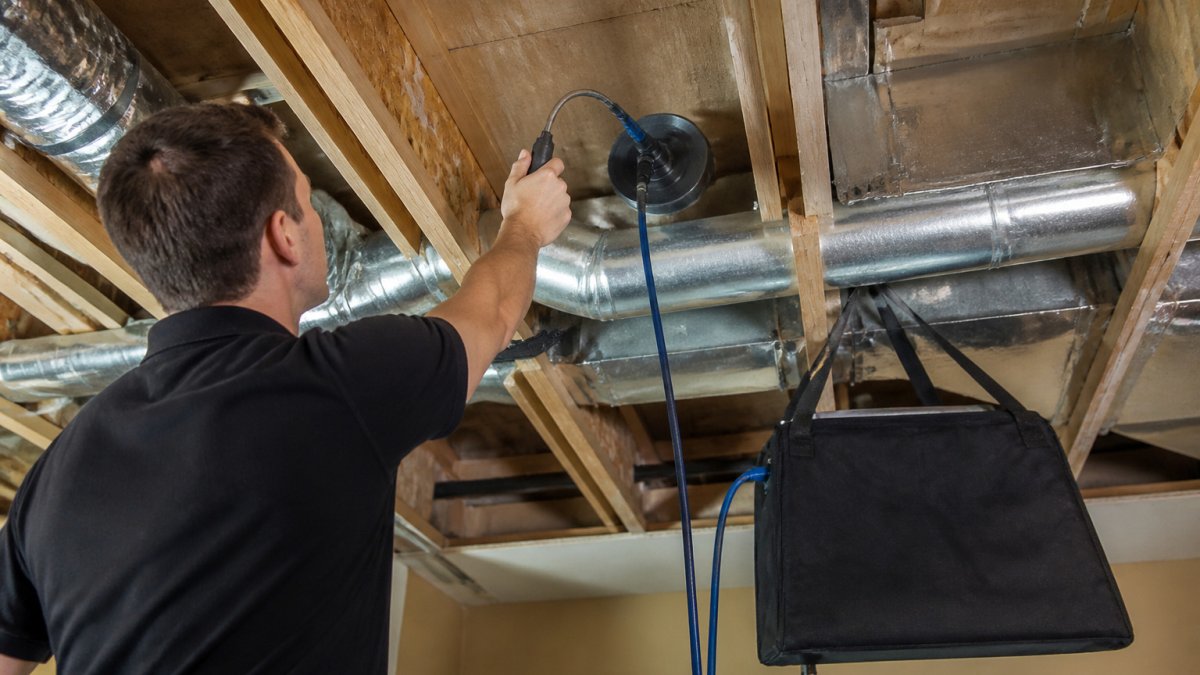
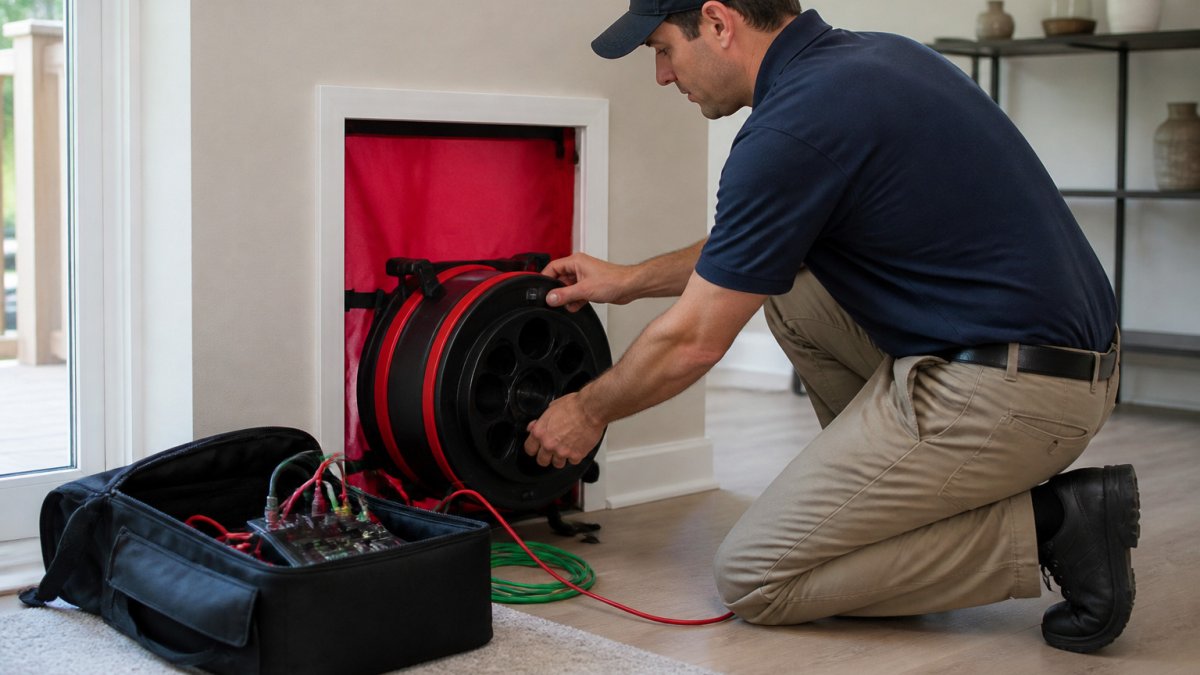
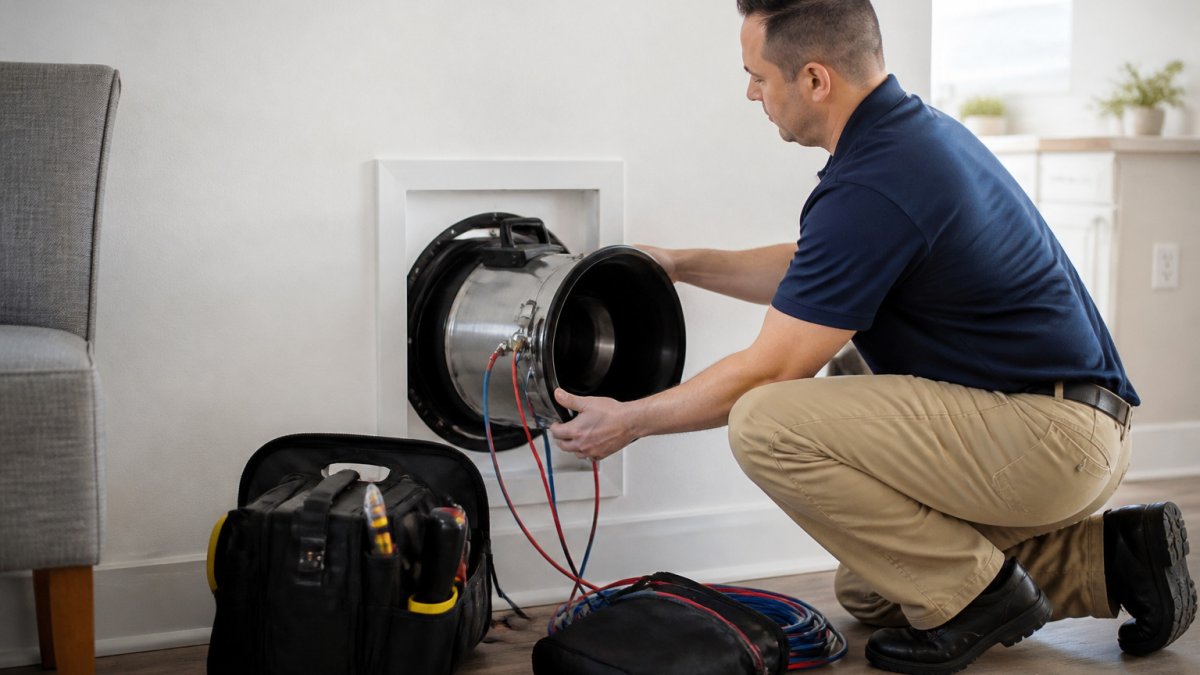
Use calibrated equipment and follow manufacturer specifications. Duct leakage testing, for example, requires specific blower-door equipment and standardized procedures.
Document equipment condition and age: HVAC type, model, refrigerant type, and visible damage.
Photograph key systems and problem areas.
Record all test results on standardized forms.
Documentation and Quality Control
Documentation is where audits succeed or fail in review. Incomplete documentation invites inspector challenge, delaying permits and damaging credibility.
Every audit report must include:
Client and property information
Audit scope and systems tested
All test results with dates and times
Quality control means reviewing every report before delivery for missing data, calculation errors, and incomplete sections. A second set of eyes catches mistakes the original auditor misses.
Use audit software that flags incomplete fields. Manual templates increase error rates; software-based audits reduce mistakes and speed report generation.
How Long Does an Energy Audit Take: Timeline Management to Avoid Delays
Audit duration directly impacts project timelines. A delayed audit blocks permit sign-offs and creates cascading costs.
A typical residential energy audit takes 2-4 hours on-site, depending on property size and system complexity.
On-site time is only part of the timeline.
Delays occur when:
Clients are unavailable for scheduled audits
Documentation (permits, system specs, utility bills) is missing
Contractors or builders block access to systems
Prevent delays by scheduling audits at least one week ahead, confirming client availability 48 hours before the appointment, and requesting all documentation upfront.
Energy Audit Report Template: Documentation That Withstands Review
An audit report is your defense against penalties and disputes. A well-structured report withstands inspector review and protects you legally.
Required Report Sections and Data Elements
Every energy audit report must include these sections:
Property and Client Information: Client name, address, phone, email. Property type, year built, square footage, number of occupants.
Audit Scope: Systems audited (HVAC, insulation, windows, doors, appliances).
Test Results: All measurements, test dates, times, and equipment used.
Equipment Assessment: HVAC system type, manufacturer, model, age, capacity, condition. Heating and cooling equipment specifications.
Compliance Statement: Certification that the audit meets Title 24, HERS, or other applicable standards.
Supporting Documentation: Photographs of key systems. Equipment specification sheets. Utility bill history.
Evidence and Supporting Documentation
Supporting documentation separates a defensible audit from one that fails review. Inspectors reviewing your work will ask: "Where's the evidence?"
Maintain a project file for every audit that includes:
Signed scope of work or engagement letter
Pre-audit data collection (utility bills, permits, system documentation)
On-site inspection photos (dated and labeled)
Keep files for a minimum of five years. If a dispute arises, you'll need evidence to prove the audit was performed correctly and met all applicable standards.
Digital file management is essential. Use consistent naming conventions (property address, audit date, auditor initials) and back up files regularly to prevent data loss.
Penalty Types, Amounts, and How to Appeal or Remediate
Understanding penalties and remediation pathways helps you respond quickly if a violation occurs.
Compliance Violations and Financial Penalties
Compliance violations fall into categories:
Documentation Deficiencies: Missing or incomplete data in audit reports. Penalties include permit denial, project delays, and demand for re-audit. Cost: rework time plus client frustration.
Measurement Errors: Incorrect test results (e.g., duct leakage measured incorrectly). Penalties include audit rejection and requirement to re-test.
Standards Non-Compliance: Audit procedures that don't meet Title 24, HERS, or other applicable standards.
Missed Deadlines: Reports delivered late, blocking permit sign-offs. Penalties include project delays, contractor claims, and client disputes.
Administrative penalties vary by jurisdiction. California building departments may assess fines for non-compliant audits submitted with permit applications.
Project Delays: Causes, Costs, and Prevention
Project delays cascade through construction timelines. A one-week audit delay can push permit issuance back one week, delaying contractor work, material delivery, and project completion.
Common delay causes:
Auditor unavailability (scheduling conflicts, illness, equipment issues)
Client unavailability (property access denied, documentation missing)
Contractor delays (HVAC work incomplete, ductwork not finished)
Prevent delays by:
Scheduling audits at least one week in advance
Confirming appointments 48 hours prior
Requesting all documentation upfront
Delivering reports within 2-3 business days of on-site audit
Building one-day buffer for unexpected issues
Communicate proactively with clients and contractors. If delays are unavoidable, notify all parties immediately with revised timelines.
Appeal and Remediation Pathways
Audit Rejection by Inspector: If an inspector rejects your audit, request a detailed explanation.
Permit Denial: If a permit is denied based on your audit, work with the property owner and building department to identify the issue.
License Discipline: If RESNET or the Contractors State License Board initiates discipline, respond promptly with documentation showing compliance efforts.
Client Claims: If a client claims your audit was inaccurate or caused financial loss, document your compliance efforts and insurance coverage.
Jurisdiction-Specific Deadlines and Compliance Calendar
Compliance deadlines vary by jurisdiction. Missing a deadline can trigger penalties or permit denial.
California Title 24 Compliance: New construction and major renovations require Title 24 compliance at permit application.
HERS Certification: HERS audits must be completed before occupancy permit issuance.
Audit Report Delivery: Most jurisdictions require audit reports submitted with permit applications or before permit issuance.
License Renewal: Professional licenses (contractors, energy auditors) require renewal every 1-2 years depending on state.
Create a compliance calendar for your business:
Mark audit deadlines for each project
Schedule continuing education before credential expiration
Set license renewal reminders 60 days before expiration
Managing Client and Contractor Delays: Workflow and Communication
Client and contractor delays are the most common cause of audit delays. Proactive communication and clear workflows minimize them.
Scheduling Workflow:
Receive project referral from contractor or homeowner
Provide availability within 48 hours
Confirm appointment 48 hours before scheduled date
Send reminder email 24 hours before audit
Conduct on-site audit
Deliver report within 2-3 business days
Client Communication Best Practices:
Set clear expectations upfront: scope, timeline, deliverables, cost
Request documentation (permits, system specs, utility bills) at least one week before audit
Confirm property access and contractor coordination
Contractor Coordination:
Confirm HVAC work is complete before scheduling audit
Coordinate with contractors to access ductwork and equipment
Provide contractors with audit findings so they understand recommendations
Delay Response Protocol: If a delay occurs, notify the client immediately with a revised timeline. Explain the cause (auditor conflict, missing documentation, contractor delay) and provide a specific new date. Follow up with written confirmation.
Avoiding energy auditor penalties comes down to systems, communication, and documentation. Central Duct Testing has helped contractors and auditors across Northern California build those systems. If you're managing HVAC audits for new construction or major renovations, contact us to discuss how we can support your compliance workflow and help you avoid penalties and delays.
Frequently Asked Questions
What can energy auditors do to avoid compliance penalties?
Energy auditors avoid penalties by maintaining current HERS certification, following Title 24 standards precisely, documenting all findings thoroughly, meeting jurisdiction-specific deadlines, and submitting complete audit reports with supporting evidence. Verify client eligibility before beginning work, confirm all required permits are in place, and maintain detailed records of equipment assessments and energy consumption data. Regular training on updated standards and checklists ensures compliance with evolving regulations.
What documents should an energy auditor provide after an audit?
An energy audit report must include utility consumption data, equipment inventory with specifications, efficiency ratings, recommended measures with cost-benefit analysis, and compliance certification. Supporting documentation includes photographs of major equipment, calibration records for testing instruments, on-site measurement data, client communication records, and evidence of permit compliance. All documents must be organized, dated, signed by the certified auditor, and retained for the duration required by local jurisdictions.
How long does an energy audit take from start to finish?
A residential energy audit typically requires 2-4 hours on-site for data collection and equipment assessment. Report preparation and analysis add 1-3 days depending on complexity and required detail. Full project completion, including client review and remediation recommendations, ranges from 5-10 business days. Commercial audits take longer due to larger building systems. Delays occur when clients cannot provide utility data, contractors miss access windows, or missing equipment makes assessment impossible.
What are the most common energy audit mistakes that lead to project delays?
Common mistakes include incomplete utility data collection, missing equipment serial numbers or specifications, inadequate documentation of findings, failure to verify client permit status before starting, and poor communication about timeline expectations. Auditors often underestimate report preparation time or overlook jurisdiction-specific requirements, causing rework. Not confirming access to all building systems before the audit date leads to scheduling delays. Incomplete compliance checklists result in inspector rejections and costly re-audits.
What qualifications should an energy auditor have to meet compliance standards?
Energy auditors must hold current HERS certification from an accredited provider and maintain ongoing training on Title 24 and state building standards. Many jurisdictions require specific technical certifications, such as Building Performance Institute (BPI) credentials or equivalent state-mandated qualifications. Auditors must pass competency exams, maintain liability insurance, and complete continuing education annually. Verification of credentials before hiring ensures compliance and reduces penalty risk for the project owner.
When is an energy audit required for a building project?
Energy audits are mandatory for new residential construction in California, major HVAC system replacements, commercial building renovations affecting 25% or more of building envelope, and properties applying for energy efficiency tax credits or rebates. Title 24 compliance requires audits at permit issuance and final inspection. Some jurisdictions mandate audits for existing buildings at time of sale or when systems exceed specified age thresholds. Check local building department requirements and utility rebate programs for specific triggers.
How can accurate energy audit documentation reduce project costs?
Thorough documentation prevents inspector rejections, rework, and project delays that inflate labor costs. Complete audit reports with supporting evidence speed permit approval and reduce back-and-forth communication. Accurate equipment assessments and energy savings calculations support successful rebate applications, offsetting audit costs. Proper compliance certification eliminates fines and penalties. Well-organized documentation also protects project owners from liability disputes and supports warranty claims on energy-efficiency improvements.
What penalties do energy auditors face for non-compliance?
Penalties for energy auditors include license suspension or revocation, fines ranging from $500 to $10,000+ per violation, and liability for project delays and rework costs. Auditors may face legal action if non-compliant reports cause inspector rejections or building code violations. Repeated violations can result in criminal charges. Project owners can pursue damages against auditors for incomplete or inaccurate audits. Maintaining current certification, accurate documentation, and adherence to deadlines eliminates most penalty exposure.
Contact Us Now
Comments